Starting a new job: the questions worth asking
Starting a new job in New Zealand? Learn what to ask about pay, contracts, trial periods, KiwiSaver, working hours and leave before accepting an offer.
Understand a New Zealand payslip, from gross pay to take-home pay. Learn how PAYE and KiwiSaver deductions work and what to check if wages look wrong.
New Zealand political parties are pushing for higher employer contributions to KiwiSaver but none will guarantee workers can access their savings at 65, leaving the access age tied to the state pension.
Many jobs in New Zealand do not require a university degree. Explore practical pathways, alternative qualifications and industries where skills and experience matter most.
Australians earn more than New Zealanders in 2026, but higher rents in Sydney and Perth take a larger share of income. Australia's Child Care Subsidy is more generous, while New Zealand's ACC covers all accident injuries.
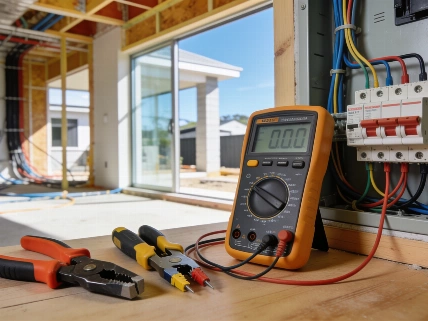
Electricians in New Zealand earn an average of $35 an hour or $72,000 a year before tax, with pay ranging from $66,000 to $133,000 depending on experience and role. Becoming an electrician requires an apprenticeship and registration.
Auckland, Wellington, Christchurch and Hamilton each offer different job markets and hiring trends. This guide explains what drives demand in each city and how to focus your job search for better results.