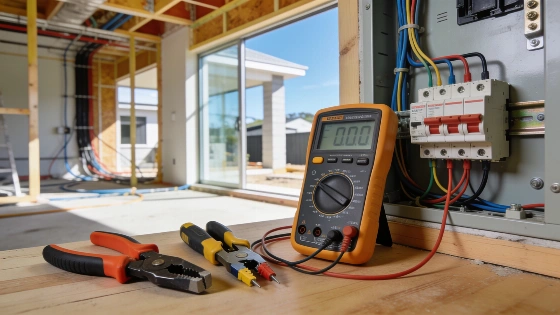
In Aotearoa New Zealand, electricians typically see average pay of $35 per hour, which works out to $72,000 a year before tax. Pay rates for the trade range from $66,000 to $133,000, depending on experience and qualifications as well as the specific job. These numbers come from available data and show gross income before Inland Revenue takes income tax. The annual income based on hourly rates depends on paid hours and whether overtime or allowances are included. These figures reflect the data cited in this article, since no independent national statistics were found for this range.
To qualify as an electrician, a person must complete an apprenticeship in electrical engineering or a related field. This training usually takes three or four years. Apprentices need a Trainee Limited Certificate from the Electrical Workers Registration Board during this period. Electricians must register to show they meet industry standards. The exact qualification title, typical duration, entry requirements, and assessment details for the apprenticeship can differ, so further information is available from the Electrical Workers Registration Board or approved training providers.
Work conditions and job requirements
Most electricians work standard business hours, though some may need to work evenings or weekends or be on call. The job often takes place in buildings and on construction sites, and local travel can be part of the role. Electricians sometimes work at heights or in tight, dirty, or hazardous spaces, and the work can be physically tough. Precision and a strong focus on safety matter in this trade.
Electricians handle tasks such as repairing and installing wiring and equipment, reading and checking diagrams, safety-testing finished work, keeping records, preparing job quotes, following safety rules, checking systems for faults, advising clients on solutions, and coordinating with other contractors.
Entry requirements and registration
Anyone aiming to train as an electrician must complete an apprenticeship and earn the required qualification. Along with the Trainee Limited Certificate, a driver licence and passing a drug test may be needed for some jobs. For those still at school, NCEA Level 2 is required to start the relevant study or training. The Electrical Workers Registration Board manages registration and can be reached by phone at 0800 661 000 or by email at [email protected]. The article’s outline of training and registration should be checked against current Board and training provider materials for the latest requirements.
Employment outlook
The 2023 New Zealand Census counted 15,000 people working as electricians. Employment in the trade rose between the 2018 and 2023 censuses, which points to steady demand for qualified workers. No current labour-market release, skills-shortage assessment, or industry forecast was found to confirm the present demand for electricians or the factors shaping pay levels in Aotearoa New Zealand.
For more information about the occupation, see the official occupation profile.