Meeting someone in New Zealand often happens through shared activities or mutual friends, not through formal dates. Couples usually connect at group events, with flatmates, or while outdoors. This reflects a culture that values easygoing company and genuine interaction over dramatic gestures or intense early romance. Stats NZ reports that relationship patterns in Aotearoa New Zealand vary by age, ethnicity, and location. The census measures partnership status as spouse, partnered, or non-partnered. These categories help describe how people form and define relationships across the country.
For newcomers or those rebuilding their social circles, this informal style can make early steps less clear. Without strict dating rituals, progress often relies on someone moving things from group settings to a clear one-on-one plan. A direct invitation—like suggesting dinner for two—quickly signals intent and is generally respected for its clarity.
Everyday dating customs and expectations
New Zealanders usually prefer sincerity and modesty. Trying to impress with status or heavy flattery rarely works as well as being relaxed, authentic and able to laugh at oneself. Communication tends to be understated, with warmth shown in subtle ways instead of big displays. Early interactions may seem low-key, but this fits the cultural norm rather than showing disinterest.
Paying for dates is flexible, and splitting costs is common, especially among younger people. Offering to cover a coffee or the first round is appreciated, but making a scene about who pays goes against local expectations. The country's multicultural mix, including Māori, Pasifika, Asian and European communities, means family expectations and dating pace can differ. Stats NZ census data recognises ethnicity as a key factor in relationship statistics, and partnership status is reported for Māori, Pasifika, Asian, and European groups. Concepts like whānau and manaakitanga shape many people's approach, so listening and asking about what matters to someone is important. Still, cultural values and family structures are not the same for everyone within an ethnic group, and experiences can differ between urban, rural, and community settings.
Popular dating apps and their role
Online dating now plays a central role in how people meet in New Zealand. The most widely used apps are Tinder, Hinge and Bumble. Hinge is often chosen by those seeking more than casual encounters, Bumble gives women the first move, and Tinder remains the largest and most casual platform. Local sites and community groups can also help people meet others with shared interests or backgrounds.
The design of major dating apps encourages ongoing swiping instead of moving quickly to real-life meetings. Using these platforms as one tool among several, not the only strategy, can help avoid frustration. For a detailed look at partner visa options and related requirements, see this earlier breakdown.
Regional differences across New Zealand
Dating culture changes between regions. Auckland, the largest and most diverse city, is highly app-driven and energetic, but making concrete plans can be harder. Wellington offers a more compact, conversational scene, with dating often centred on cafés, arts and harbourside walks. In Christchurch, Queenstown and smaller South Island towns, social circles and outdoor activities matter more, and being a familiar, reliable presence is valued. Stats NZ provides partnership status data at national, regional, and local levels, showing that relationship experiences can differ between urban centres and smaller communities.
First dates and communication style
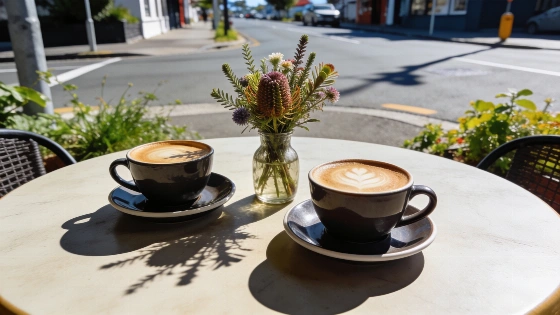
The typical first date in New Zealand is low-key—a coffee, a casual drink, or a walk outdoors. These formats are easy to extend if things go well and simple to end if there is no spark. Texting between dates is usually understated, with dry humour and steady back-and-forth showing interest. Consistency over time signals a genuine connection more than early intensity.
Common challenges and practical advice
The relaxed approach to dating can sometimes create ambiguity, with relationships drifting without clear definition. Taking the step to gently clarify intentions—by asking what the two of you are doing—can prevent frustration and is often welcomed. With so many options on dating apps, focusing on one promising connection instead of always searching for alternatives helps build depth. Research from The Gottman Institute shows that small, consistent acts of care are more predictive of lasting relationships than initial chemistry.
For those navigating dating in New Zealand, understanding the local emphasis on authenticity, modesty and social connection can make things smoother. Taking initiative, communicating clearly and matching the understated style of interaction are key to building meaningful relationships in this setting. As of 2023, the estimated population of New Zealand is 5,372,400, providing a broad and varied context for relationship experiences. Official demographic data on partnership status and household composition is available through Stats NZ, allowing people to explore trends by year, ethnicity, and region.