KiwiSaver has built up more than $150 billion in retirement savings, yet many self-employed New Zealanders still do not participate. The Retirement Commission Te Ara Ahunga Ora's Off The Payroll report finds that about 420,000 self-employed people are not regularly saving into KiwiSaver, forming a large part of the so-called "missing million" who miss out on the scheme.
The report, released today, identifies KiwiSaver's original setup as a main reason for this gap. When the scheme launched, it targeted employees, offering incentives through government and employer contributions. Self-employed people usually do not get employer contributions, since they have no employer to match payments. Government incentives have also been scaled back over time. This setup makes KiwiSaver less appealing for those running their own businesses, especially when their income can swing and they need flexibility to handle both business and household budgets. The report points out that KiwiSaver's employee-focused structure creates a barrier for self-employed New Zealanders, who often deal with unpredictable income and need access to liquid savings.
Barriers for self-employed savers
Retirement Commissioner David Boyle said, "KiwiSaver in some cases not working as well as it could be for this section of employed New Zealanders." He urged the financial services sector to create new ways to reach self-employed workers, rather than pushing for law changes. Boyle added, "No-one has cracked this nut yet." The commission's report floats options like pairing KiwiSaver with "sidecar" funds, letting self-employed people save without locking up all their money until age 65. Other ideas include rewards schemes at major retailers that could send benefits into KiwiSaver accounts, and adding KiwiSaver options to accounting platforms used by contractors and small businesses. These are described as recommendations or options, not as enacted policy, and would need further work by financial-services providers.
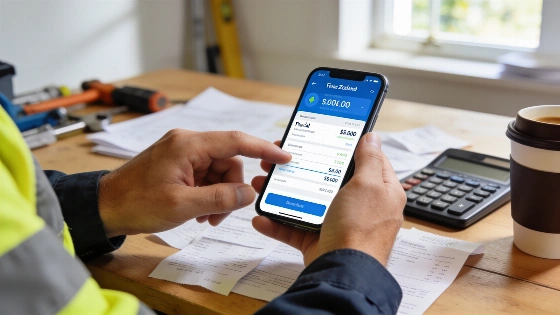
Tech company Feijoa has made some headway in this space. Its app lets users round up everyday spending to the nearest dollar, with the difference automatically going into their KiwiSaver. Co-founder Mark White-Robinson said, "Lower self-employed participation in KiwiSaver is a design problem, not a willpower one." He explained that Feijoa users are saving an average of $900 a year through rounding, with a third of users being self-employed. The app is also moving toward letting users direct these savings into managed funds that are not locked in like KiwiSaver. Details about Feijoa's product terms, provider relationships, and eligibility rules have not been independently confirmed.
Other gaps in KiwiSaver coverage
The "missing million" includes more than just the self-employed. The report also points to "total remuneration" contracts, which let employers fold compulsory KiwiSaver contributions into an employee's overall pay. This practice, introduced under the John Key government in 2009 and left in place by later Labour governments, can leave low-paid workers without the intended employer contributions. Boyle commented, "Some employers, and my and this is only my opinion, maybe are not working in the spirit of what KiwiSaver was about." He also raised concerns about workers being shifted from employment to contract status without KiwiSaver being considered in the transition.
The Retirement Commission's report does not call for immediate law changes but asks the financial sector to come up with practical solutions that make KiwiSaver more accessible and flexible for self-employed New Zealanders. Source: The Post