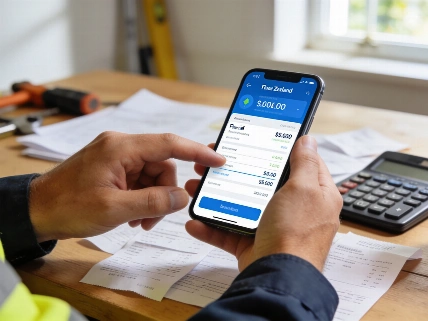
A New Zealand electricity bill can rise even when a household uses fewer kilowatt-hours. The total usually combines a charge for staying connected with a charge for electricity consumed. The tariff and local network affect the result, so unit prices alone cannot identify the cheapest plan.
What the daily fixed charge covers
The fixed charge is usually shown in dollars per day. It applies while the property remains connected, including on days when nobody is home. It helps cover electricity infrastructure, including local lines and metering. Retailers may present these costs differently. The Electricity Authority's bill guide explains the common labels.
Low-user plans traditionally have a smaller daily charge but a higher price per unit of electricity. Standard plans tend to reverse that balance. Under the phase-out of the Low Fixed Charge regulations, the maximum low-user fixed charge increased to NZ$1.80 a day before GST from 1 April 2026. From 1 April 2027, retailers will no longer be required to offer low-user plans, although they may choose to keep them. The regulator explained the change in its September 2026 notice.
How usage becomes a dollar amount
Electricity consumption is measured in kilowatt-hours, abbreviated kWh. A 2 kW heater running for half an hour consumes 1 kWh. Bills commonly show the amount used during the billing period and a rate in cents per kWh. Check whether the meter reading is actual or estimated. Compare usage with the same period last year, not a different season.
Consider a hypothetical 30-day bill with a daily charge of NZ$1.20 and 600 kWh charged at 32 cents each, both before GST. The fixed component is NZ$36 and usage costs NZ$192. Together that is NZ$228 before GST, or NZ$262.20 including 15% GST, assuming there are no additional fees or discounts. These are examples, not retailer offers.
Some plans use a single anytime rate. Others distinguish peak hours from cheaper off-peak periods. A controlled rate may apply to a hot-water cylinder whose supply can be interrupted during high demand. A time-of-use plan can work well for a household able to run appliances or charge an electric vehicle during cheaper periods. Heavy use during evening peaks could instead cost more. Hours vary by retailer.
Why the lowest unit price may not win
Take two hypothetical tariffs over 30 days. Plan A charges 90 cents daily and 36 cents per kWh; Plan B charges NZ$1.50 daily and 32 cents per kWh. At 300 kWh, Plan A totals NZ$135 before GST while Plan B costs NZ$141. At 600 kWh, Plan A costs NZ$243 and Plan B NZ$237. The cheaper plan changes with consumption.
Check whether a plan has fixed or variable prices. A fixed-price contract is not the same as the daily fixed charge: it concerns whether the agreed tariff can change during the contract term. Fixed-term deals may also carry early-exit fees. Spot-price plans track changing wholesale prices and can expose customers to sharp price movements. Free-hour offers also depend on charges outside the promotional window.
Ask for the full annual cost, including GST and any ongoing discounts, based on the household's recent consumption. Account for day and night use, not just total kWh. A new address may have different network charges or metering arrangements, even when the retailer stays the same.
Checking and changing a plan
The Electricity Authority introduced clearer billing rules from 30 October 2026, with retailers given until 1 April 2027 to implement the full changes. These include more consistent bill information and an annual check of whether a residential customer is on the retailer's lowest-cost suitable plan. New protections also restrict back-billing to six months once implemented. Implementation may vary until that deadline.
Households can compare offers through the Authority's free Billy comparison service, using a recent bill or details of their consumption. Check the contract's exit conditions before switching. Time-of-use offers may require a smart meter, possibly with an installation fee. The bill's ICP number identifies the electricity connection, making it useful when checking a quote or correcting an account issue.
If the bill seems wrong, compare the billed dates with the meter readings and confirm that any discount was applied. A jump in usage may be a change in household demand rather than a tariff increase. If billed rates differ from the contract, ask the retailer to itemise and correct them.