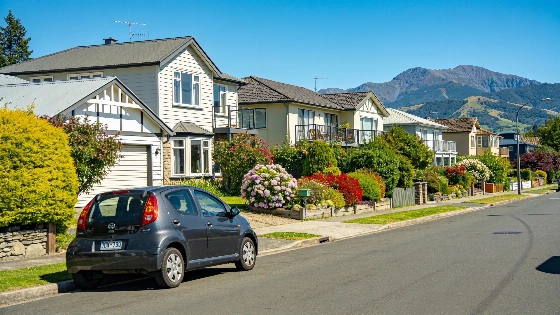
Living in Nelson means budgeting carefully, as weekly costs for a single person can reach $572. Rent and utilities take up $200, groceries average $60, and petrol can run $150. These numbers reflect what many tenants and new arrivals actually pay, especially those earning the minimum wage of $23.95 NZD per hour. Nelson’s moderate climate and reputation as New Zealand’s sunniest city attract many, but the cost of living remains a major factor for anyone considering a move.
Rental housing in Nelson moves fast, with available properties often gone quickly. Prospective tenants should look beyond the city to areas like Richmond, Stoke and Brightwater. TradeMe and Facebook Groups are the main platforms for finding rentals. Some newcomers try house-sitting or temporary hostel stays while searching for a longer-term place. Hostels sometimes offer work-for-accommodation deals, especially in summer, but these fill up early and require prompt contact.
A joint report for Nelson City and Tasman District councils points to rental affordability as a major challenge. As of June 2024, Nelson’s average weekly rent was NZ$544, up 3% from the previous year and 30% higher than five years ago. Tasman District’s average was NZ$541, also a 3% annual rise and 37% higher than five years earlier. The report found rent made up 25.2% of income in Nelson City and 25.3% in Tasman District, compared to a national average of 22.1%. Tasman ranked as New Zealand’s least affordable region for renters in a 2023 comparison, with Nelson in fourth place. The report links the housing-cost burden to high rents and limited supply, and notes that short-term improvements have not eased the underlying pressure. These figures explain why many tenants look outside Nelson City for better affordability.
Neighbourhoods and Housing Choices
Nelson’s population of about 60,000 lives across several neighbourhoods. Downtown Nelson is close to shops, eateries and the Great Taste Trail, but rents there are usually higher. Nelson South sits near the mountains and includes the main hospital and schools. Washington Valley offers more affordable housing. Tāhunanui is the main beach area, though rentals there can be hard to find. Stoke, just outside Nelson, is a popular suburb with family homes and local amenities. Richmond, about 20 minutes from the city centre, has its own town centre and a quieter, rural feel. Each area offers a different mix of price, convenience and lifestyle, so tenants should weigh their priorities when choosing where to live.
Job Market and Working Conditions
Most people find jobs in Nelson by searching in person, since many employers prefer to hire locals. The job market is busiest from October to February, with hospitality and manual labour roles common for new arrivals. Temp agencies like OneStaff in Nelson and Richmond can help secure short-term work, especially in manual labour. Minimum wage jobs are widespread, but some roles, such as landscaping, pay higher hourly rates. For instance, one worker earned $27 NZD per hour in landscaping, and side jobs like dog-sitting can add to income. After several months, negotiating a pay increase is a good idea, as hospitality jobs often see high turnover.
Full-time work in New Zealand starts at 30 hours per week, and tipping is not part of the culture. Many tenants working 30 hours at minimum wage find it hard to save, so steady hours and higher-paying jobs matter for financial stability. Job listings also appear on community bulletin boards, including those at the local library.
The Nelson-Tasman economy has held up well, with regional economic growth outpacing the national average in the year to September 2026. Infometrics reported regional growth of 2.6%, with Tasman at 3.6% and Nelson at 1.8%. The regional unemployment rate averaged 4.3% over the previous year, below the national average of 5.5%. Employment listings show steady demand for transport and infrastructure workers, including drivers, road-network roles and waste operations. Still, the housing market remains tough for renters and buyers, with a 2.2% annual drop in property values and a 2.0% fall in sales volumes.
Transport and Everyday Living
In Nelson, owning a car is seen as essential because public transport is limited and bus services end around 7pm. The used car market is accessible, with vehicles available on TradeMe or Facebook. The process is simple: after agreeing on a sale, buyers and sellers fill out a form at a VTNZ branch. Overseas full licences are accepted for up to 12 months if in English or with an official translation. Some expats try living in campervans, but this lifestyle may not suit everyone, especially for longer stays or regular work.
Fuel is expensive, with petrol reaching $7.5 USD per gallon as of May 2026. Filling a car can cost about $130 NZD, which is more than five hours of work at minimum wage. Supermarkets like Pak'NSave in Richmond offer fuel discounts to help manage these costs. Public transport within Nelson is limited, so most residents rely on private vehicles.
Healthcare and Other Considerations
Accessing healthcare as an expat in Nelson can be difficult. While it’s possible to see a GP as a casual patient, clinics may refer non-enrolled patients to the emergency department, leading to long waits for minor issues. Travel insurance is strongly advised, since only accident injuries are covered by ACC regardless of visa status. Illnesses and routine care are not covered for expats without insurance.
Nelson’s climate brings long summer days and short winter daylight hours, with sunset around 5pm in winter. The region is famous for its sunshine but also has wet and chilly winters. Community life is active, with frequent social gatherings, outdoor activities and a strong biking and running scene. The Great Taste Trail links local breweries, wineries and eateries, making it a popular feature for both residents and visitors.
For those planning a move to Nelson, the process usually starts with a one-year Working Holiday Visa. The application is straightforward for citizens of North American and Commonwealth countries. For more on visa changes and requirements, see this recent update.