Median rent in Tauranga has climbed to $700 a week for all homes, putting housing costs front and centre for anyone looking to settle in this Bay of Plenty city. Tauranga’s population reached 161,300 in June 2024, making it New Zealand's fifth largest city. Growth continues at pace, which pushes up demand for housing and essential services. Tauranga City Council’s 2025 financial reporting counted 62,101 rating units, up from 61,570 the year before. This points to ongoing urban expansion and heavier infrastructure needs. Still, more rating units do not directly mean more people or more rental homes.
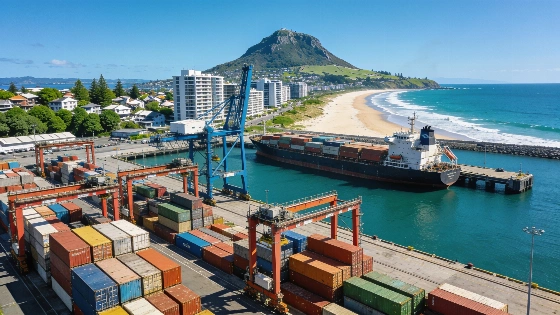
Jobs in Tauranga cluster around a few main sectors. The kiwifruit industry, with Zespri’s head office in Mount Maunganui, creates thousands of roles in orchards and packhouses. Most of this work is seasonal and peaks in autumn. The Port of Tauranga stands as New Zealand’s largest port by cargo volume and a key international gateway. It handles 32% of all New Zealand cargo, 37% of exports and 41% of shipping containers, with just over 24.8 million tonnes moved in 2019/20. In the year to June 2025, the port processed 25.3 million tonnes of trade and 1.2 million containers. This scale makes it a major employer for logistics, drivers and engineers. The port’s size also strains roads in industrial and port areas. Logistics, freight transport, warehousing and engineering remain core to Tauranga’s labour market beyond seasonal horticulture. Construction and trades are in steady demand as the city grows. Hospitality and aged care jobs are supported by a steady stream of visitors and a rising population.
Housing and everyday life in Tauranga
Renters need to plan carefully, since the $700 median weekly rent covers all property types. Tauranga City Council’s 2025/26 monitoring report found only 21% of surveyed residents saw rent as affordable, while 25% considered rates affordable. These are perception-based figures and should be weighed alongside wages, commuting costs and the housing available in each suburb and property type. The council has opened up more housing choice and higher density through planning changes like Plan Change 26 and Plan Change 33, which allow extra height around the city edge and along the Te Papa peninsula. Council material notes that planning permission does not guarantee building, and current market conditions do not always support higher-density projects, especially apartments. There is a move toward higher-density homes, especially attached dwellings, among those consented between 2018 and 2026.
No passenger train service runs in Tauranga, so most people rely on cars for daily travel. Tauranga City Council performance data shows peak-period congestion and limited active-mode commuting remain issues. Peak-period network duration sits at 393 minutes, above the 330-minute target, and only 38% of peak-hour trips meet the council’s reliability benchmark. Just 5% of residents commuted by walking, jogging or cycling, compared to a 7% target. Bus use at city-centre stops rose 17% between 2023 and 2025. Multimodal movements—cycling, scootering and mobility-scooter use—increased 97% between 2022 and 2025, but dropped 18% from the 2024 peak. The council’s infrastructure strategy calls for safer, more reliable transport and for more walking, cycling and public-transport options as the city expands. Tauranga is known for its long beaches at Mount Maunganui and Pāpāmoa. The city gets about 2,400 hours of sunshine a year and mild winters with daytime highs around 15°C. Many locals take advantage of the outdoors, from early swims to evening walks on the beach or up Mauao for wide views.
Orchard work brings flexible, short-term income but is not available all year. Those after steadier jobs may find openings in the port, construction or care sectors, which hire year-round. Some specialist roles are easier to find in bigger cities, so jobseekers should check local demand before moving. For those on work visas, it’s vital to confirm eligibility for specific jobs and review visa conditions. Guidance on changing jobs while on an Accredited Employer Work Visa is available in this reported earlier article.
Visas, study and community support
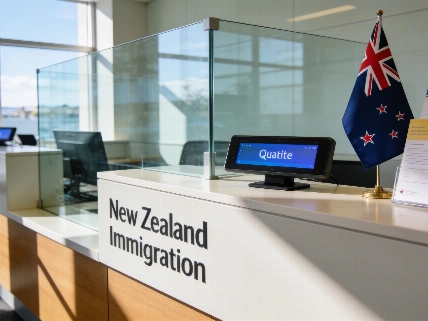
People arrive in Tauranga on a range of visas: work visas with accredited employers, seasonal work schemes for horticulture, student visas for local study, and partner or family visas. Immigration New Zealand provides current information on eligibility and application fees, and most applications are handled online. The University of Waikato has a campus in the city centre. Toi Ohomai Institute of Technology offers courses at its Windermere Campus. Prospective students should check each institution's website for course details and entry requirements.
New residents can get support through the Tauranga City Council's Welcoming Communities programme, which includes a resource guide, settlement support listings and links to English classes. The Tauranga Regional Multicultural Council, set up in 1994, also offers settlement advice and interpreting services. For general information, free 20-minute phone or video chats are available, no matter where you are in New Zealand or overseas. Immigration New Zealand does not have a walk-in office in Tauranga, but phone support is available on 0508 558 855 or +64 9 914 4100 during weekday hours.
Weather and local amenities
Tauranga’s climate is warm and sunny, with average daytime highs of 24°C from December to February and about 2,400 sunshine hours each year, based on NIWA's 1991–2020 climate averages. The city offers a relaxed pace, easy access to beaches and outdoor recreation, and a growing range of amenities. Still, the cost of rent and the need for a car are practical factors to consider before moving. Tauranga’s official planning documents also treat climate resilience as a direct issue for future residents. The council warns that the Bay of Plenty climate is changing and that more frequent high-intensity rainfall events are expected. These events can affect roads, stormwater systems, housing development and access to port and industrial sites, tying environmental risk to daily commuting and business continuity. The council’s strategy treats transport, housing location and climate adaptation as linked policy questions, not separate amenities. For more on Tauranga’s infrastructure and planning, see the Tauranga City Council Infrastructure Strategy.