Where you settle in Christchurch can change your rent, school options, and daily travel. The city’s flat terrain and wide spread mean suburb choice affects everything from your budget to how easily you reach shops and schools.
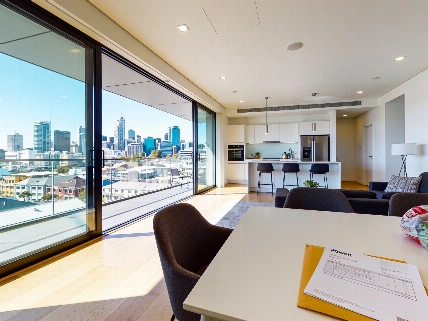
Central Christchurch and the inner east, including Sydenham, Linwood and Phillipstown, put you close to the CBD, new apartments, and a lively café and bar scene. These areas have the city’s strongest public transport and a mix of incomes, which keeps rents and buy-in prices lower than the established western suburbs. One-bedroom apartments usually rent for $400–$550 per week, while two-bedroom places in Sydenham or Addington range from $550 to $700. According to realestate.co.nz suburb insights, Addington’s 12-month median sale price is $585,000, with a median asking price of $549,000 and a median rent of $530 per week. In Sydenham, the 12-month median sale price is $591,334, the median asking price is $541,125, and the median rent is $532 per week, with the rental figure showing a recent decline. Entry-level buying is easier here, so these neighbourhoods attract young professionals and those who like walking to dinner instead of driving.
On the western side, Merivale, Strowan, Fendalton, Ilam and Riccarton are known for leafy streets and large sections. These suburbs have some of Christchurch’s highest property prices. School zoning drives demand, with Burnside High and Christchurch Boys' High nearby, and the University of Canterbury and Hagley Park within reach. Riccarton stands out for its student population and the Westfield mall. Riccarton’s 12-month median sale price is $628,075, with a median asking price of $622,750 and a median rent of $622 per week, with rents marked as increasing. Three-bedroom rentals start at $700 and can reach well into four figures in Fendalton, while buying on the best streets often means paying over $1 million. These suburbs are the usual pick for well-off families who want established schools and green space.
Family-friendly options and the northern belt
South of the city centre, Cashmere, Beckenham, Spreydon and Hoon Hay sit at the base of the Port Hills. These areas draw families, especially those wanting access to the Cashmere High zone. Cashmere has hillside views and higher prices, while Beckenham and Spreydon are flatter, more affordable and attract many young families. Three-bedroom rents in this part of Christchurch generally fall between $600 and $800, with purchase prices rising the further up the hill you go.
The northern suburbs—Bryndwr, Bishopdale, Papanui and Mairehau—offer mid-density housing and reliable schools. They also have easy access to the Northern Corridor motorway. Northlands and Bishopdale malls serve the area, and three-bedroom rents typically range from $550 to $750. Belfast, as a northern suburb, has a 12-month median sale price of $705,000, a median asking price of $700,000, and a median rent of $650 per week, with rents marked as increasing. These neighbourhoods are practical and more affordable than the west, making them a good fit for families and commuters who want amenities and motorway access without the premium price tag of Fendalton.
Eastern suburbs, coastal living and outlying communities
Bromley, Aranui, Wainoni, Bexley and New Brighton make up Christchurch’s eastern edge. These suburbs were hit hardest by the 2010–2011 earthquakes, with some areas red-zoned and cleared. Recovery has been uneven, so housing quality and neighbourhood feel can change from street to street. However, these are the most affordable areas for both renting and buying, and New Brighton and South Brighton offer quick access to the beach, pier and hot pools. New Brighton has seen gradual improvement, but buyers should check land and house history carefully due to earthquake impacts. For many, the east is the most realistic way to get a foot in the door of Christchurch property.
Sumner, Redcliffs and Mount Pleasant form a seaside and hillside enclave on the city’s eastern edge. Sumner has a village atmosphere, with cafés along the Esplanade and surf at the doorstep. Redcliffs and Mount Pleasant climb the hills behind, offering sea views. The commute can be slow at peak times, and sea-view homes range from $850,000 to $1.5 million, with rents to match. Schooling includes Sumner School for younger children and overlap with the Christchurch Boys' zone. These suburbs suit those who value beach access and are comfortable with the drive.
Across the harbour, Lyttelton and Diamond Harbour offer a different pace. Lyttelton is an arty, tight-knit port town with its own pubs and a Saturday market, while Diamond Harbour is quieter and reached by ferry. The main challenge is separation from the rest of Christchurch, with the tunnel or a long drive as the only links. Prices are moderate and have risen as more people are drawn to the area’s character.
Growth areas and rural lifestyle
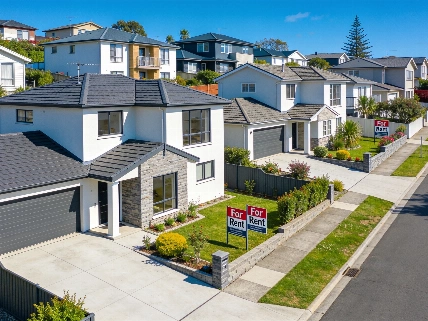
Halswell, Lincoln and Rolleston are part of the fast-growing southwest, much of it in Selwyn district. These areas are dominated by new-build homes and modern schools. A brand-new three-bedroom house typically costs $600,000–$750,000 to buy, with rents between $600 and $800. For Halswell specifically, Tenancy Services reports a lower-end market rent of $560 per week for the period 1 April to 30 September 2026, based on 1,153 recorded bonds. The trade-off is a longer commute into the city, which increases as these suburbs expand. Lincoln also features a university campus. These locations appeal to families seeking space, value and modern housing, provided they are willing to drive further.
Banks Peninsula villages such as Akaroa and Le Bons Bay are remote, shaped by the holiday-rental market and a small year-round community. Living here means accepting distance from city amenities and a seasonal village lifestyle, which suits remote workers or retirees who prioritise peace and harbour views over convenience.
Matching suburbs to life stages
For singles and early-career renters, the central city, Sydenham or Addington offer walkability, social life and transport connections, with apartment rentals available without the commitment of a mortgage or long commute. Families with school-age children often choose the west for Burnside or Boys' High zones, the inner south for Cashmere High, or the north and Selwyn edge for newer schools and more house for the money. Downsizers and retirees may prefer the inner south, the bays or Lyttelton, where amenities are close and properties are easier to maintain.
One city-wide consideration is the legacy of the earthquakes. The eastern suburbs and riverside areas have more liquefaction-prone TC3 land, which requires extra diligence before buying. Prospective buyers should obtain geotechnical information, check repair and claim histories, and use a builder’s report from someone familiar with post-quake Christchurch. Flood and sea-rise overlays are also important for low-lying and coastal properties. In November 2026, TVNZ reported that new nationwide flood-risk data assigned every New Zealand residential property a flood-risk score, identifying about 24,000 Christchurch homes with higher risk scores. More than half of homes in some districts faced moderate-to-high flood risk, highlighting the importance of considering location, elevation and drainage when making housing decisions. Doing this homework can help buyers make the most of Christchurch’s relative affordability.
For those interested in how local place names are pronounced, a recent feature explored common pronunciation quirks across New Zealand towns and suburbs.