Dental bills can hit New Zealand families hard. A root canal might run to $1,200, and treating periodontal disease can reach $2,000. Many people put off dental visits because of these expenses. While some surveys highlight high rates of delayed dental care for financial reasons, official health surveys in New Zealand separate unmet need, postponement, affordability, and service use. The numbers shift depending on definitions and survey methods.
Most adults in New Zealand pay out of pocket for dental care. The country’s public dental system covers basic oral-health services for eligible children and teenagers, but routine adult dental treatment is almost always privately funded. State-funded free dental services are limited to children up to and including age 18. These services include check-ups, fillings, baby tooth extractions, fissure sealants, and fluoride treatments, usually provided at school. Once students leave school, they pay their own dental bills unless they qualify for specific government help.
Who Can Access Free or Subsidised Dental Care?
Children and teenagers up to 18 get free basic dental care through the public system. For adults, financial help is scarce. Work and Income may step in for urgent dental treatment under its social-assistance rules, but the type of payment, eligibility, repayment, and maximum amount depend on each person’s situation, including benefit status, income, assets, and the dental problem itself. Some support is non-repayable, while other help is a recoverable advance. Community Services Card holders might qualify for emergency dental subsidies. The Accident Compensation Corporation (ACC) covers dental injuries from accidents, sports, or treatment errors, but not from decay or gum disease. ACC generally deals with dental injuries tied to covered accidents or treatment-related harm, not ordinary disease processes like tooth decay or periodontal disease.
What Do Common Dental Treatments Cost?
Dental fees depend on the treatment and where it’s done. Prices for exams, scaling, root canals, periodontal work, crowns, bridges, and implants are estimates from providers, not set by national rules. A standard dental exam with cleaning or scaling usually costs $300 to $400 per hour. Simple procedures like fillings, scaling, and cleaning are at the lower end and can be done by dentists or hygienists. More complex work—root canals, crowns, bridges, implants, and dentures—can cost thousands and often need several visits. Auckland tends to be the priciest region for dental care. Prices shift with region, clinician, imaging, lab work, sedation, complexity, and whether follow-up is included. There’s no official national dental-fee schedule, so all figures are only indicative. For more on typical costs, see MoneyHub's dental costs guide.
Specialist procedures like orthodontics and implants cost more. Many clinics offer payment plans or financing, but interest charges can push up the total if paid by credit card or over time. Dental insurance may cover some treatments, but policies often have reimbursement caps, exclusions, and waiting periods. Most insurance is bundled with broader health cover, not sold as standalone dental plans.
Why Are Dental Costs So High?
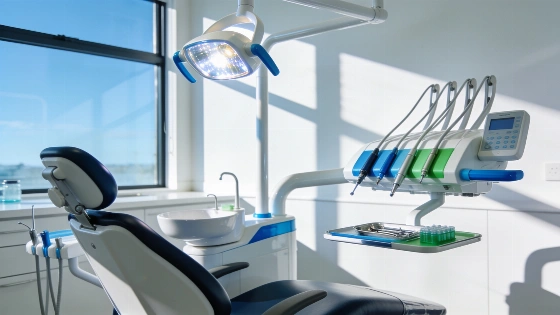
Several factors push dental costs up in New Zealand. Setting up a dental clinic takes a big investment in equipment and technology, sometimes costing hundreds of thousands. Staff wages, especially for skilled dental assistants and support roles, are high, particularly in cities like Auckland and Wellington. Dentists face steep educational costs, with a Bachelor of Dental Surgery degree taking at least five years and often leaving graduates with student loans over $100,000. Minimal government funding for adult dental care means most costs fall directly on patients. Research shows New Zealanders spend about $1.8 billion a year on dental visits, with only 15% coming from government contributions.
Managing Dental Expenses and Preventing High Costs
Preventative care is the best way to avoid big dental bills. Regular brushing, flossing, and yearly check-ups help catch problems early and cut the need for expensive treatments. Putting off dental care can lead to more severe and costly issues. Payment options include credit cards, bank transfers, instalment plans, and interest-free loans, but people need to check the total cost, including any interest or fees.
Dental Insurance and Overseas Treatment
Dental insurance in New Zealand is usually part of health insurance. Policies may help with unexpected treatments and encourage regular check-ups, but they often exclude cosmetic work and have reimbursement limits. Examples of available plans include Southern Cross Health Essentials, Southern Cross Ultra Care, AA Health Everyday Insurance, and NIB Dental Insurance. Some people look overseas for dental treatment, especially in countries like Thailand, where prices are lower. Risks include lack of follow-up care and no ACC coverage for complications that happen abroad.
Key Facts and FAQs
Many New Zealanders skip dental visits because of cost worries, which can lead to bigger problems later. Dentists don’t all charge the same, and prices are often not clearly published. It’s important to check insurance, seek financial help if eligible, and keep up good oral hygiene. Dentists diagnose and treat dental issues, while hygienists focus on prevention. Payment methods include credit cards, bank transfers, and various finance options. For more on dental loans and finance, readers can check the Dental Loans and Finance guide.
Sources for this article include the NZ Dental Association Journal, the NZ Dental Association 2023 Fee Survey, the New Zealand Dental Council, and Te Whatu Ora's dental care resources. Information is current as of 23 December 2025.