Couples applying for a New Zealand partner visa who live in a family home rather than a separate rental face close scrutiny over evidence of a genuine shared address. Immigration New Zealand oversees partnership-based visas and residence applications, treating partner visas as a separate category from visitor, student, work, and parent visas. The agency does not accept a marriage certificate as proof of a shared home. Instead, it looks for evidence that the couple have lived together in a genuine and stable partnership at the same address, regardless of whether the property is owned or rented independently. Details about partner visa categories and requirements are available through Immigration New Zealand.
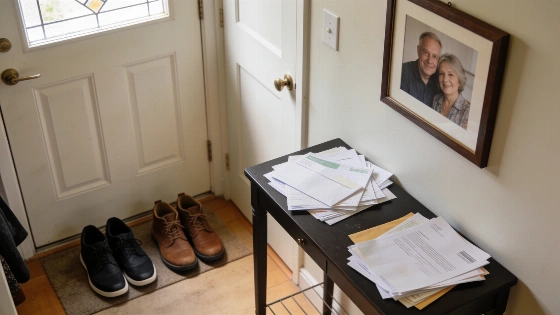
When a couple live with parents, such as in a family property in Pune, tenancy or utility accounts may be in the parent's name. The application process checks the real living arrangement, not just legal ownership or tenancy. Applicants need to document the actual household situation with records that show both partners living at the address. Creating artificial paperwork or backdating tenancy agreements that never existed is discouraged.
What counts as evidence of living together?
Immigration New Zealand accepts a range of documents to show both partners lived at the same address. These include correspondence addressed jointly or separately, financial records, photographs, letters of support, and travel records. The aim is to show a genuine shared household over the relevant period, not to create the appearance of a different arrangement. A parent’s statement can explain who owns the property and when the couple moved in, but it does not replace independent records.
Applicants should build a timeline showing when they moved in, any changes of address, and periods apart. Dated documents should match this timeline so an immigration officer can follow the household history without guessing. Supplying only documents from the start and end of cohabitation may leave gaps, so evidence should be spread across the period. Immigration New Zealand advises against submitting many similar documents from a single month or altering old records to fit the requirements.
Joint bank accounts and financial arrangements
A joint bank account is not required for a partner visa application. Immigration New Zealand also accepts evidence of mutually agreed financial arrangements and other records showing shared responsibilities. If household costs are divided through individual accounts, applicants should explain this with genuine records. Opening a joint account shortly before applying does not prove a long history of shared finances, and transferring large sums to create a dramatic statement is discouraged. The focus is on what can be verified about how the couple shared their life and responsibilities.
Periods apart and explaining absences
If the couple have spent time living separately, they must provide a truthful chronology of travel and addresses, explaining the dates, reasons, and how the relationship continued. Travel records and messages can show ongoing contact, but do not turn physical separation into evidence of living together. Immigration New Zealand asks for this information to assess the circumstances, and applicants should avoid overwhelming the application with private conversations that do not clarify the relevant chronology.
Evidence periods and recent rule changes
The period of evidence required depends on the visa category. The Partner of a New Zealander Resident Visa requires at least 12 months of living together in a genuine and stable relationship, counted after both partners are 18. Temporary partnership visas do not have a universal 12-month cohabitation requirement, but still require sufficient evidence of a genuine and stable relationship. From 25 September 2026, both partners must be at least 18 when applying under dedicated partnership categories, and evidence must relate to the period after both turned 18. Earlier photographs or documents may provide background but do not count towards the required period if the rules exclude them.
Preparing and submitting the application
Applicants should follow the current upload and translation instructions, making sure names, dates, and addresses are consistent across all documents. A clear evidence index can help, but does not replace the documents themselves. Files should be checked page by page, including translations and identity material. Public document-sharing links containing sensitive information should be avoided. If using an adviser, clarify who will submit the application and how the final copy will be provided. The factual account should be reviewed personally, as any explanation remains a statement about the relationship and must be accurate.
Next steps for applicants
Couples should use the official partnership guidance and visa-specific pages to identify evidence gaps and prepare questions for Immigration New Zealand or a licensed immigration adviser. Requirements were checked as of 22 November 2026 and should be rechecked before applying, especially during any online-system transition. The most useful preparation is a route-specific checklist supported by a dated, honest household history. Living in a family home does not need to be disguised as a separate rental; it should be explained and evidenced accurately.