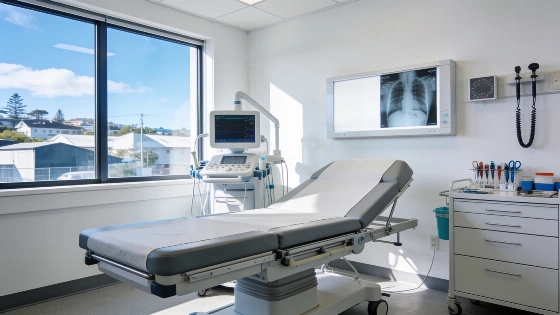
Immigration New Zealand (INZ), part of the Ministry of Business, Innovation and Employment (MBIE), oversees the country’s visa and immigration system and sets health-related admissibility rules. Some visa applicants must provide a medical examination or chest X-ray during the application process. These health checks must come from a panel physician approved by INZ, and results must be less than three months old when INZ receives the application. This rule covers several visa types and depends on the applicant's country of origin, planned stay, and whether a medical certificate was included with a previous application. INZ updates its public immigration information often, so applicants should always review the latest requirements for their visa category.
INZ accepts three types of health certificates: a general medical certificate, a limited medical certificate, and a chest X-ray certificate. The required certificate depends on the visa category, how long the applicant plans to stay in New Zealand, their citizenship, and any previous medical submissions. INZ’s official guidance does not list every country or exact stay duration for each certificate type. Applicants should check INZ's published information or consult a licensed immigration adviser for their situation. The official INZ website remains the main source for current requirements and application steps.
When to complete the medical exam
The timing for the medical examination or chest X-ray varies by visa type. For some visas, INZ requires the health check before the application is submitted. For others, including the Accredited Employer Work Visa (AEWV), visitor visa, or student visa, INZ will notify the applicant after the application is lodged if a medical exam or X-ray is needed. Applicants should follow INZ’s instructions for their visa type. INZ’s requirements and procedures can change, so applicants should check the latest information before booking an examination.
Booking and attending the exam
Applicants must schedule their examination with a doctor or radiologist from INZ's list of panel physicians, unless there are none in their country. When booking, applicants should tell the clinic the exam is for an INZ application, specify the visa type, and clarify which examination is needed. The applicant pays for the medical exam, and INZ states: "You must pay any costs related to your X-ray and medical examinations." INZ does not specify the price, and visa application fees are separate. Applicants can check current visa fees using INZ's fee calculator. For those aged 17 or under, a parent or guardian must attend and sign the consent form. The examination usually includes a medical history, physical exam, urine and blood tests, and a chest X-ray if required.
If there is no panel physician available
If no panel physician is available in the applicant's country, INZ allows any registered doctor to conduct the examination. In this case, the applicant must bring a printed certificate form and three recent passport-sized photos (one photo is enough for a chest X-ray only). The forms are the General Medical Certificate (INZ 1007), Limited Medical Certificate (INZ 1201), and Chest X-ray Certificate (INZ 1096).
Special rules for children and pregnant applicants
Children under 11 years old and pregnant women usually do not need a chest X-ray unless INZ requests a special report. INZ also notes that temporary visas for pregnant applicants are generally granted for three months after the expected delivery date, and a chest X-ray is required after birth if the applicant wants to stay longer and applies for another visa.
Submitting results to INZ
Applicants can provide medical results to INZ in three ways: by supplying the eMedical reference code from the panel physician (which lets INZ receive results electronically), by giving the name of the clinic where the exam was done, or by submitting a copy of the completed medical certificate if a panel physician was not used. INZ describes the eMedical reference code as the fastest method.
Understanding NZER and NZHR numbers
The NZER is the eMedical reference number created when a panel physician opens an eMedical case, identifying the applicant in the system. The NZHR is the INZ health case reference number. For visitor visas and AEWV applications, INZ creates the NZHR when it requests a medical examination, and applicants must give this number to the panel physician when booking. The NZHR appears in the letter from INZ under the heading "INZ Health case reference" and is also available by logging in to Immigration Online. For other visa types, INZ creates the NZHR after receiving the medical results, so there is no number to give the clinic in advance. The NZER appears on the eMedical information sheet, which the clinic can provide on request. Applicants who do not have these numbers can ask the clinic for help.
Where to find more information
Applicants can review the following official INZ pages for more details: "Who needs an X-ray or medical examination", "How to get an X-ray or medical examination", "Finding your eMedical and INZ health case reference numbers", and "Doctors who can do X-rays and medical examinations". INZ’s requirements and procedures may change, so applicants should check the latest information or seek advice from a licensed immigration adviser. This article provides general information and does not constitute immigration advice.
INZ continues to run residence-selection and visa-processing programmes, including the Parent Resident Visa, and applicants must follow the current instructions for their category. Immigration New Zealand’s official homepage gives access to the latest application pathways for visitors, students, workers, and residence applicants. For the most current information, applicants should refer to the Immigration New Zealand website.