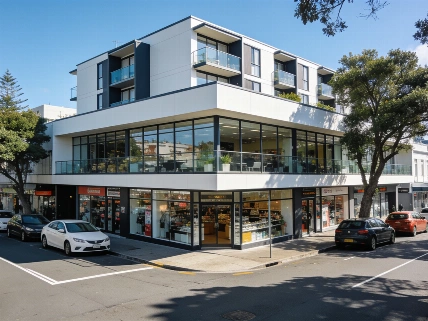
Living in Tāmaki Makaurau Auckland without a car is possible, but the address makes a substantial difference. A home near a frequent bus route or train station offers more options than one requiring a long walk to an infrequent service. The cost also depends on how often a person travels and whether their journeys cross fare zones.
Choose a home around the journeys that matter
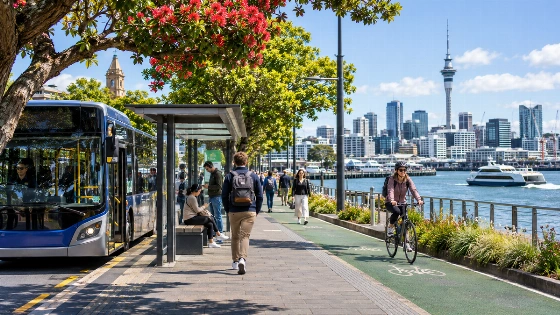
Auckland's buses serve streets beyond the rail network, while trains connect parts of west and south Auckland with central destinations. The Northern Busway provides a useful alternative for North Shore commuters. Ferries connect the city centre with Devonport and several other harbour communities. Each mode has its own timetable, and a route that works on weekdays may be less convenient late at night.
Before choosing a rental, test the actual weekday commute in Auckland Transport's Journey Planner. Compare the time spent walking with the time on board, and check the final service home. A journey involving two buses may still be practical if the transfer is frequent. Also look at the supermarket and healthcare services reachable without making another lengthy trip.
AT HOP, contactless payments and fare caps
AT buses accept AT HOP cards or contactless cards and smart devices; cash is not accepted on buses. Train and ferry passengers can generally buy a single-trip ticket before boarding. Always tag on and off with the same payment card or device. Using a phone to tag on and a physical bank card to tag off can result in an incorrect charge, even if both connect to the same bank account.
Adult bus and train fares from 1 February 2026 are NZ$3 for one zone and NZ$4.90 for two zones when paying by AT HOP or contactless. A five-day return commute therefore costs NZ$30 for one-zone trips or NZ$49 for two-zone trips, assuming ten separate journeys and no other travel. These figures exclude any additional trips.
Frequent users with an AT HOP card benefit from a NZ$50 cap over a seven-day period on eligible buses, trains and inner-harbour ferries. Contactless card users instead receive a NZ$20 daily cap; there is no equivalent seven-day cap for contactless payments. The AT HOP fare-cap rules specify which services qualify. The weekly cap excludes Waiheke ferries and mid- or outer-harbour crossings.
Concession fares for eligible children, students and Community Services Card holders require a registered AT HOP card with the correct entitlement. Contactless payments charge the adult fare. Transfers can count as one journey if the passenger tags on again within 30 minutes of the previous tag-off and completes travel within four hours.
Use ferries and airport buses selectively
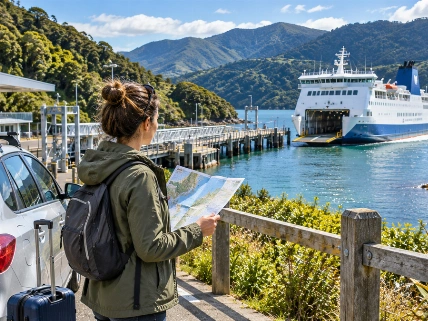
A ferry can make a harbour crossing easier than travelling by road, but its cost differs from ordinary bus fares. In 2026, a one-way adult fare between central Auckland and Devonport is NZ$7.80 with AT HOP or contactless payment. That route qualifies for the relevant fare caps. Half Moon Bay and Hobsonville Point ferries do not qualify for the caps, so their fares need to be budgeted separately.
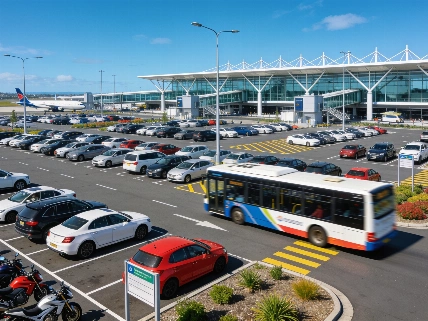
For Auckland Airport, the orange AirportLink bus connects the terminals with Puhinui Station and Manukau Bus Station. Puhinui provides connections to the rail network. The bus journey from Puhinui to the international terminal usually takes about 18 to 20 minutes, before allowing for a train connection or waiting time. During rail closures, replacement buses may change the journey significantly. Check the latest service notice when travelling with luggage or catching a flight.
Walking, cycling and backup transport
Short trips can be easier on foot than by waiting for a bus. For cycling, protected lanes differ from painted on-road lanes, and shared paths require care around pedestrians. Auckland Transport's cycling network maps distinguish these routes. A bike can reduce short local journeys, but secure storage and the safety of the full route matter more than straight-line distance.
Taxis and rideshare services can fill occasional gaps, especially after the last scheduled bus. Their fares are separate from public transport caps. People with qualifying impairments may be eligible for Total Mobility support for some trips, subject to assessment and scheme conditions.
For someone deciding whether to own a vehicle, compare a normal week's fares plus occasional paid rides with the actual costs of a car, including insurance and parking. Test the weekend timetable as well as the work commute before deciding that one neighbourhood is practical without a vehicle.