In New Zealand, rent and related housing expenses take the biggest slice of monthly budgets for both individuals and families. By 2026, a single person usually needs between NZ$3,400 and NZ$4,400 each month to cover basic living costs, including rent. For a family of four, the budget often falls between NZ$8,600 and NZ$10,200, not counting private school fees. These numbers are point-in-time estimates, as household living costs have kept climbing. Statistics New Zealand reported a 3.0% rise in household living costs in the 12 months to the September 2026 quarter, giving an official benchmark for monthly budgets in 2026. The Consumers Price Index (CPI), which tracks price changes across a standard basket of goods and services, rose 3.7% in the same period.
Data from Numbeo and official sources like Stats NZ and Tenancy Services show these estimates reflect modest spending, not luxury. The actual amount needed depends on location and household size, and whether costs like childcare or a second car are included. Auckland stands out as the most expensive city, with higher rents and daily costs, while Hamilton and Christchurch are generally easier on renters. Still, city-level affordability shifts with factors like commuting needs, household makeup, and whether the home is rented or owned.
Housing and rent in major cities
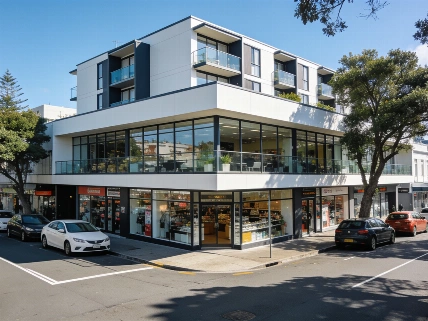
In New Zealand, rent is usually listed weekly, and tenants must pay a bond of up to four weeks’ rent at the start of a tenancy. This means new arrivals or those moving house need to budget for significant upfront costs. Lower rent in cities like Hamilton or Christchurch can be balanced out by fewer job options or the need for a car, which adds to overall expenses.
In Auckland and Wellington, a single person renting alone may want after-tax income of NZ$4,500 to NZ$6,000 per month to keep a comfortable buffer. In Christchurch or Hamilton, a similar setup can often be managed with NZ$3,800 to NZ$4,800 per month after tax. Stats NZ’s October 2026 Selected Price Indexes release shows the flow measure of rental property increased 0.6% annually and 0.5% between September and October 2026, while the stock measure of rental property rose 0.1% annually. These measures track changes in rents paid by new tenants and the overall rental stock. Electricity prices jumped 9.4% annually, and gas prices climbed 11.0% annually, putting more pressure on household budgets beyond rent and groceries. These increases appeared in the October 2026 data release.
Everyday expenses and cost management
Groceries, utilities, and transport follow housing as the next largest spending categories. Each may seem manageable alone, but together they shape how far a household’s income will go. Menu and shelf prices in shops include GST, so the price shown is close to what’s paid at checkout. Food prices rose 2.3% in the year ended October 2026, after a 2.4% increase in the year ended September 2026, according to Stats NZ. Electricity and gas price hikes have outpaced food inflation, making utility costs a bigger factor in household budgets. By November 2026, annual increases across major spending categories included household living costs up 3.0%, CPI up 3.7%, food up 2.3%, electricity up 9.4%, and gas up 11.0%.
People with income or savings overseas may find a multi-currency account such as Wise useful for managing money. These accounts let customers hold New Zealand dollars alongside other currencies and receive funds from abroad before converting or spending locally. This can help those who prefer not to use a traditional New Zealand bank for every transaction.
Regional differences and practical tips
Where you live has a major impact on living costs. Auckland is usually the most expensive city, especially when rent is included. Wellington can be nearly as costly for those seeking central apartments or who spend heavily on commuting and eating out. Christchurch sits in the middle, while Hamilton is often more affordable for renters. When planning a move, it pays to compare neighbourhoods, convert weekly rent to a monthly figure, and set aside enough cash for the bond and rent in advance. Using supermarkets for staple groceries, checking if one car is enough, and comparing currency conversion options can also help manage expenses. City-level budgets are best seen as illustrative estimates, since official national indexes confirm that rents, utilities, food, and overall household costs changed in 2026, but do not set exact differences between cities.
Frequently asked questions
How much does it cost to live in New Zealand per month? For a single person, the typical monthly budget including rent is NZ$3,400 to NZ$4,400. A family of four may need NZ$8,600 to NZ$10,200. These are point-in-time estimates and should be checked against the latest Stats NZ household living cost figures.
Is New Zealand expensive compared with Australia or the US? Housing costs in New Zealand can be higher than in some parts of Australia or the US, especially in Auckland.
What is the cheapest city to live in New Zealand? Hamilton and Christchurch generally offer better value for renters than Auckland or Wellington.
What salary do you need to live comfortably in New Zealand? A single adult renting alone may want after-tax income of NZ$3,800 to NZ$6,000 per month, depending on city and rent. Energy inflation and food prices should be considered when planning a comfortable budget, as electricity and gas prices rose 9.4% and 11.0% respectively in the year to October 2026.
Sources for this guide include government websites, Numbeo, Stats NZ, Tenancy Services, and immigration.govt.nz.