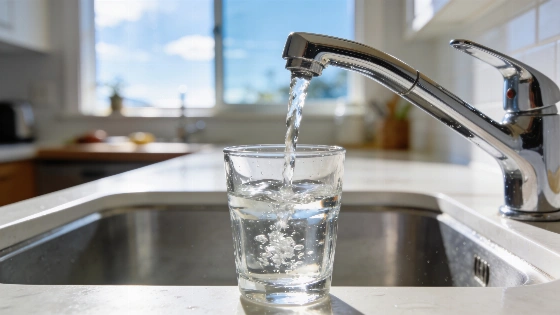
Households across New Zealand rely on drinking water that undergoes regular checks and, in many cases, treatment to lower the risk of illness. Local councils and district health boards report water quality to Taumata Arowai, which publishes an annual report for the public. This setup is designed to keep water supplied to homes within established safety standards.
Taumata Arowai acts as New Zealand’s independent water services regulator. It keeps a public register listing drinking-water suppliers, supply locations, supply types, the population served, and the relevant territorial authority. Residents can use this register to identify their water supplier and raise concerns or complaints. The regulatory system operates separately from the council or company running a local supply, giving national oversight across providers. The supplier self-service portal is the main way to register and manage drinking-water supplies and wastewater networks. Laboratories and suppliers also use it to send notifications to the regulator.
The Drinking-water Standards for New Zealand, issued by the Ministry of Health, set the legal requirements for any organisation supplying water to more than 500 people. These standards outline the steps needed to keep water safe, including treatment methods and regular testing for contaminants such as bacteria.
Water treatment and local differences
Many areas in Aotearoa New Zealand add chlorine to drinking water to kill bacteria and viruses. Some regions, though, do not use chlorine in their water supply. The lack of chlorine does not automatically mean the water is unsafe, but views differ on the benefits and risks of treated compared to untreated water. If you are unsure whether your water is treated, check with your local council or water supplier.
Households can also use the Hinekōrako public drinking-water-supply register from Taumata Arowai to confirm their drinking-water supplier. Each supply record may include a supply ID, registration status, supply name, supply type, community, population, region, territorial authority, and regional public-health service. This information helps residents tell the difference between a large municipal network, a small community scheme, or a private or self-supplied source, since treatment and compliance responsibilities can vary. Individual households should check operational details directly with the listed supplier if they have questions about treatment or safety.
For homes not connected to a town supply, such as those using rainwater tanks or private bores, extra steps may be needed to keep water safe. The Ministry of Health offers Household Water Supply guides that explain how to treat and store water from alternative sources.
Responding to water safety concerns
Sometimes, bacteria like E.coli have been found in water supplies, which can worry residents. When a risk is found, water suppliers may issue a boil water notice. In these cases, boiling water for at least one minute is recommended before drinking or using it for food preparation. The notice stays in place until testing shows the water quality is safe again.
Taumata Arowai’s supplier portal is also used for operational reporting by laboratories and drinking-water suppliers. The regulator’s oversight relies in part on timely information from those responsible for supplies. If there are problems or concerns with drinking water safety or supply, residents can contact Taumata Arowai directly by email or phone, especially if there are system outages affecting the portal.
Keeping drinking water safe fits into a wider approach to managing natural hazards and risks to households. As reported earlier, sharing information about environmental risks is also a focus for New Zealand authorities and service providers.
Where to find more information
For more details on drinking water safety, including how to check if your water is treated and what to do during a boil water notice, resources are available from Health New Zealand | Te Whatu Ora, Water NZ, and the Water Services Authority. Local councils can provide information specific to your area, and the Ministry of Health's guides offer practical advice for households using private water sources. The Hinekōrako register is a practical tool for confirming your drinking-water supplier and understanding the type of supply serving your home.