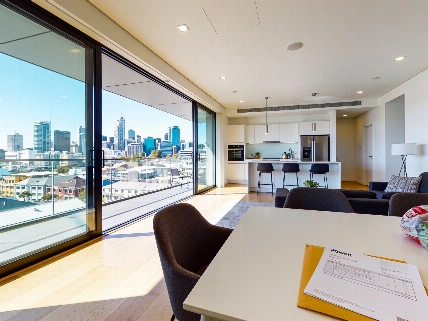
Finding a rental property in Queenstown is tough, especially during the busiest winter and summer periods when accommodation demand spikes. The ongoing housing shortage pushes weekly rents higher. Single rooms often list for $250 NZD, while couples pay about $350 NZD per week, bills not included. Many people apply for leases before they even arrive, and some spend weeks in hostels or hotels while searching for a permanent place to stay.
Queenstown draws both seasonal workers and tourists, which ramps up competition for rentals. The cheapest hostel beds, like double pods, run about $55 NZD per night. Private rooms in central spots start at $89 NZD per night, usually with shared bathrooms. Planning ahead and locking in accommodation before peak season is key for anyone set on a long-term rental.
Queenstown Lakes District Council points to a mismatch between the district’s fast population growth and investment in housing and infrastructure. The 2018 Census showed about 40% of Queenstown homes sat empty, compared with 11% across New Zealand. Many of these properties serve as short-term visitor accommodation or are only used during peak times. This pattern fuels seasonal rental shortages and pushes up costs for local workers. The council also notes that these pressures have led workers to settle in nearby towns like Cromwell, Kingston and Glenorchy and commute into Queenstown, which adds to local transport congestion. Queenstown Lakes District Council Mode Shift Plan
Everyday Costs and Lifestyle Pressures
Living in Queenstown ranks among the most expensive in New Zealand. Beyond rent, residents deal with high utility bills and daily expenses. Power bills are often called "ridiculous," and even basic items like rubbish bags cost $3.30 each. Grocery prices swing with the seasons. In winter, fresh produce can get pricey—cucumbers at $4.59 and eggplants at $6.50 each were recently seen at a local supermarket. Fuel is another big hit, with petrol at $2.80 NZD per litre and diesel at $2.24 NZD per litre as of March 2022, and prices are expected to climb.
Some costs are easier to manage. Public transport is relatively cheap, with bus fares set at $2 for trips in and around Queenstown. The New Zealand Government has put $90 million into a Queenstown transport package, which covers upgrades to the Ladies Mile corridor, new roundabouts, intersection improvements, and better walking and cycling links. These projects aim to make bus services more reliable and cut down on private vehicle use, tackling congestion made worse by commuters from nearby towns. NZ Upgrade Programme: Transport Some vegetables, like pumpkin and cauliflower, are more affordable, and locals often use dinner specials, happy hours and deal websites to keep entertainment and dining costs in check. Still, the local lifestyle—marked by frequent socialising, eating out and taking part in expensive activities like skiing and snowboarding—can quickly add up.
Rental Market and Job Opportunities
Queenstown’s population shifts often, so jobs in hospitality, tourism and construction are widely available, especially for English speakers willing to work for minimum wage. Those with construction or trade skills may land higher-paying jobs, while office roles are less common, particularly for short-term stays. The town is known for its party scene, with a dense cluster of bars and restaurants that draw backpackers and tourists, fueling a lively nightlife and steady demand for service workers.
CBRE Research’s recent analysis shows that residential property transactions in Queenstown have slowed, with both supply and demand muted. Investor activity has dipped as rental rates across the region have fallen over the past 12–18 months, while ownership costs have climbed. Even so, Queenstown still attracts a broad range of buyers, which is expected to support property values and prevent any major drop. CBRE Residential Valuer Insights Q3 2025
Housing Choices and Neighbourhood Realities
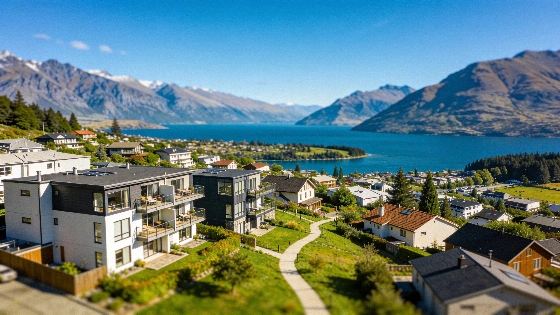
Queenstown’s location between a lake and mountains makes it one of New Zealand’s most striking places to live. The area offers plenty of outdoor activities, from hiking and cycling in summer to skiing and snowboarding in winter, with two ski fields less than 45 minutes away. The international mix of residents means people meet others from around the world, though local Kiwis are less common. The climate brings clear seasons, with warm summers, snowy mountain winters and colourful autumns. January is usually the warmest month, averaging 18°C, while July is the coldest, with daily highs near 5°C.
Anyone thinking of moving to Queenstown will find that securing a rental is often the hardest part. The shortage of available homes, especially during busy times, means flexibility and early planning matter. Some newcomers choose long-term hostel stays or shared accommodation while searching for a rental. Moving from another New Zealand city, like Auckland, shows how important it is to understand local market conditions and be ready for higher living costs and a tough rental market.
Queenstown Lakes District Council and the Ministry of Housing and Urban Development have called the district’s housing shortage a system-wide problem involving supply, affordability and delivery coordination. In August 2023, the council formally backed the Joint Housing Action Plan, developed through the Grow Well Whaiora Urban Growth Partnership, to tackle these issues through coordinated work by partner agencies. Implementation is underway, with the plan aiming to improve housing outcomes across the district. Ministry of Housing and Urban Development Status Report
Transport and Getting Around
Many locals rent vehicles for travel within the region or to explore the South Island. Choices include standard cars, campervans and motorhomes, with several companies offering discounts for booking ahead. Public transport remains a cost-effective option for local trips, helping offset some of the higher costs tied to car ownership and fuel. The Queenstown transport network faces heavy pressure, especially around Frankton and the SH6/SH6A corridor, due to rapid growth and high reliance on private vehicles. The government’s multimodal investment package aims to deliver more reliable bus services and safer walking and cycling routes, to help cut private vehicle use and ease congestion.
Queenstown’s location also makes it a handy base for trips to places like Milford Sound, Mount Cook and nearby ski fields. The mix of outdoor activities, social life and natural scenery keeps drawing new residents, even with the high costs and limited housing supply.
Anyone navigating New Zealand’s rental market or considering a job change while on a work visa can find more details in this earlier breakdown.