Drivers in New Zealand typically handle their own refuelling at petrol stations, whether in large cities or smaller towns. Knowing the local process and common practices helps avoid expensive errors, especially for those new to the country’s roads.
Petrol and diesel are the main fuels on offer. Most passenger cars use petrol, while diesel powers larger vehicles and some SUVs. Using the wrong fuel can seriously damage the engine. Always check the label on your vehicle’s fuel cap before filling up. Rental car companies usually mark the correct fuel type clearly to help prevent mistakes.
Fuel prices in New Zealand shift quickly, influenced by both local and global factors. Stats NZ reported that petrol prices jumped 11.9% in October 2026 compared with September, and diesel rose 11.1% in the same period. Over the year to October 2026, petrol climbed 38.0% and diesel 71.2%. Since February 2026, petrol has gone up 40.8% and diesel 73.6%. These numbers show why it’s important to check current pump prices, plan refuelling stops, and confirm the fuel type before paying, since local prices can differ from national averages.
Step-by-Step Refuelling Process
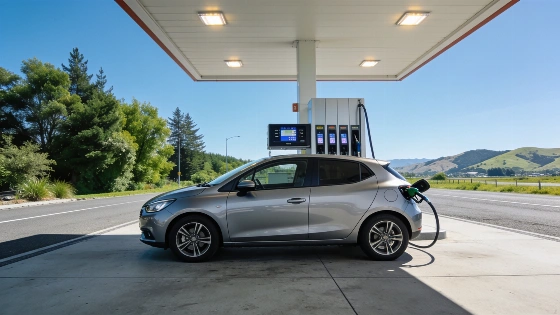
On arrival at a petrol station, park so the fuel cap is easy to reach. Turn off the engine before opening the cap. Pick the right pump for your fuel type, insert the nozzle, and squeeze the handle to start. Most pumps have an automatic lock to keep fuel flowing, but keep an eye on the level and stop when you reach the amount you want or when the pump shuts off. When finished, return the nozzle to the pump and close the fuel cap tightly. Pay at the terminal beside the pump or inside the shop. Many stations accept cards and contactless payments.
According to Stats NZ’s Selected Price Indexes, the gap in annual price changes between petrol and diesel is wide. Diesel vehicles can be more fuel-efficient, but the total cost depends on vehicle efficiency, distance driven, servicing, and any road-user charges for diesel. There’s no certainty that one fuel will always be cheaper overall.
Technology and Payment Options
Digital tools have made refuelling easier. Some stations let drivers pay with smartphone apps right at the pump. The FILL app delivers fuel directly to parked vehicles, which can help those on tight schedules or in remote spots. Before using these services, check if your rental car provider allows fuel apps or delivery.
Stats NZ tracks national electronic card transactions, but these figures don’t account for price changes. Higher transaction totals may simply reflect rising fuel prices, not more fuel sold or a shift to contactless payments. This data gives background on spending trends, but doesn’t show which payment methods are used at specific stations.
Managing Fuel Costs and Safety
Fuel can take up a large share of travel expenses in New Zealand. Tracking how much you use and planning efficient routes can help control costs. Drivers are encouraged to cut emissions by using fuel wisely and avoiding unnecessary idling. Some stations offer biofuel blends or ways to offset carbon emissions. Safety matters too: always lock your car after refuelling, especially if you step away, and use well-lit stations with security cameras when possible. Keep valuables out of sight and double-check the fuel cap is closed to prevent leaks or theft.
Recent jumps in fuel prices in New Zealand have been linked to disruptions in global energy markets. The Reserve Bank of New Zealand noted in November 2026 that damage to facilities in the Middle East and Russia reduced supplies of refined products like diesel and jet fuel. Repairs could take time even after conflicts end. Domestic fuel stocks have stayed near normal, but higher prices have raised business costs and added to inflation. Oil prices remain unpredictable, and ongoing disruptions could keep prices high or push them up further. Drivers should budget for price swings and avoid assuming that past prices will hold steady.
Whether using a personal car or a rental, knowing how to refuel safely and efficiently is essential for travel in New Zealand. Reliable vehicles and clear refuelling steps help keep trips smooth, whether in cities or out in remote areas.