Visa research shows many New Zealanders keep paying for subscriptions they no longer use, with average monthly spending on recurring payments reaching $415. A third of those surveyed continued paying for services they didn't need, which points to a widespread challenge in tracking ongoing expenses.
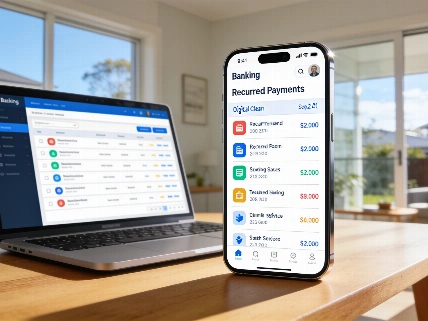
Kiwibank has rolled out a feature that lets customers see and stop eligible recurring card payments from within their mobile app and internet banking. The move aims to give customers more control and visibility over ongoing card payments, which often cover entertainment, fitness, software and grocery subscriptions. Recurring card payments differ from direct debits because they are set up with a merchant using card details, not a bank account number, and are processed through the card network instead of the direct debit system.
How the new feature works
Kiwibank says customers could previously view recurring payments, but the new tool lets them actively stop eligible payments through digital banking. Chief customer officer, retail, Mark Stephen, said signing up for subscriptions is easy, but managing or cancelling them can be harder. He explained, "It's that balance between providing customers the much improved visibility of the recurring card payments but then putting them in control in terms of the ability to stop those recurring payments. Customers have had the ability to see those payments but actually putting them in control and giving them the ability to stop the payments is a significant new step."
Stopping a payment in Kiwibank's app or online banking doesn't automatically cancel the subscription with the retailer. Customers still need to contact the service provider to end the subscription itself. Legal guidance for New Zealand businesses notes that cancelling a payment authority with a bank doesn't always end the contract with the merchant, and customers may still owe outstanding amounts unless the merchant's terms say otherwise. Businesses are expected to clearly state the amount, billing frequency, renewal date, payment method, cancellation process, and when cancellation takes effect in their subscription terms.
Managing household costs
With households watching their budgets, even small recurring charges can add up. Mark Stephen pointed out that unexpected charges or forgotten subscriptions are common, especially after free trials or promotional offers. Visa country manager David Peacock said the new features should help Kiwibank customers better understand and manage recurring card payments through digital banking.
No New Zealand law or regulatory decision currently requires banks to let customers cancel recurring card payments themselves. The process instead depends on contracts between customers and merchants, along with payment processor rules. Customers wanting to stop a recurring card payment are usually advised to contact the merchant first to cancel the service, then use their bank's app, online banking, or customer service to stop the payment authority if needed. Payment processors may have their own rules for handling trial conversions, recurring billing, and disputes. Businesses are encouraged to keep records of sign-ups, accepted terms, renewal notices, payment receipts, and cancellation requests in case of disputes.
For more on the announcement, see RNZ's coverage.