Queenstown’s winter brings snow to the surrounding mountains, turning them into a busy playground, while the town itself usually stays clear with only the odd dusting. Travellers looking for a winter break here need to juggle mountain plans with flexible town activities, since weather and road conditions can shift fast. The main ski season typically runs from June to August, though some years see skiing stretch into October depending on the mountain and conditions. Ski-season length and opening dates shift by resort and year, so checking with each ski area for their planned or past operating dates before booking is a smart move.
Winter temperatures often sit between −4°C and 8°C, so layered clothing is key for comfort in town and on the slopes. These numbers are indicative and may not match official Queenstown climate averages. Short daylight hours mean outdoor plans work best earlier in the day, with indoor options for later. The mountains usually deliver reliable snow, but central Queenstown rarely sees snow-covered streets, so visitors should set expectations accordingly. Elevation and local topography drive the difference between conditions in the town centre and at the ski fields, and this can change from year to year.
Transport and getting around Queenstown in winter
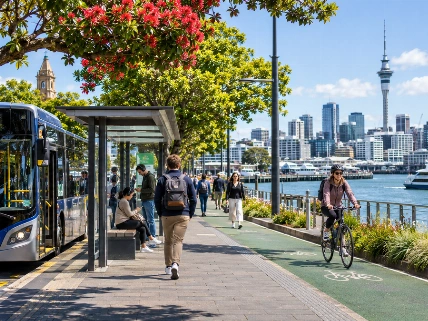
It’s possible to enjoy a Queenstown winter holiday without renting a car. The town centre is compact and easy to walk, and public buses link key spots, including the airport. Dedicated ski buses run to the main ski areas. For public transport, travellers need a Bee Card or the right cash, since bank and credit cards aren’t accepted on Queenstown buses. The Bee Card costs NZ$5 and needs a minimum NZ$5 top-up; fares, card prices, and payment methods can change, so it’s best to check the current Orbus fare table and payment rules before travelling, especially for future trips.
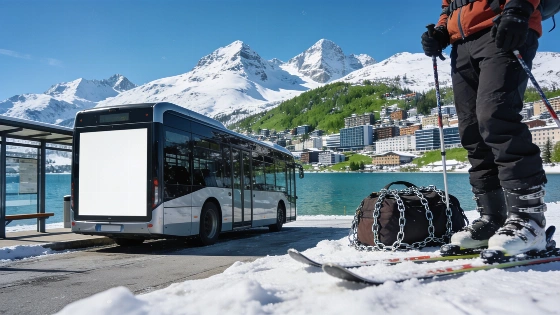
When planning ski days, it pays to coordinate mountain choice and transport together. Return ski-bus services run to Coronet Peak and The Remarkables, with set departure points around town. Ski-bus arrangements, including timetables and service availability, can shift by season, resort, weather, road closures, and demand. Travellers should confirm if services are public buses, private shuttles, or resort transfers, and check the current operating status with the relevant operator before heading out. Renting a car gives more freedom to explore further, but winter driving here means steep, winding roads and the need for snow chains. For many, a car-free plan focused on town and organised ski transfers is practical and less stressful in winter, but this depends on current timetables, weather, where you’re staying, and resort access.
Planning ski and non-ski days
Queenstown’s regional ski areas include Coronet Peak, The Remarkables, Cardrona and Treble Cone. Each mountain has its own access, ticketing and transport setup, so don’t assume one pass or transfer covers all. Coronet Peak sits closest to central Queenstown, with an indicative drive of about 20 minutes, though winter conditions can stretch travel times. For first-time skiers, booking a lesson, equipment hire, suitable lift access and transport as a single plan helps avoid headaches. Lift passes differ, with options like learner-area products for beginners and afternoon passes for shorter sessions. Comparing what’s included in each package—lift access, equipment, lessons and transport—can help with budgeting and planning.
Non-skiers have plenty to do in Queenstown during winter. Many activities run year-round, and the town’s compact centre supports a relaxed plan built around outdoor outings, meals and indoor alternatives. Keeping at least one flexible day in the schedule helps if weather or mountain access changes.
Packing and winter road safety
Packing for Queenstown in winter means focusing on layers that can be adjusted for outdoor sightseeing, transport and indoor stops. Warmth matters more than having a different outfit for each day. Drivers must carry correctly fitting snow chains, and fit them when directed by signs or authorities. Four-wheel drive vehicles don’t remove the risks of snow and ice, especially on ski-area roads and the Crown Range. Official road-safety guidance and legal requirements for snow chains can differ by road, vehicle type, and weather, so drivers should check with the relevant New Zealand road authority or local council for up-to-date information before travelling.
Frequently asked questions
When is winter in Queenstown? The core winter months are June, July and August, with some ski seasons running into October depending on conditions. Ski-season dates are set by each resort and may change from year to year.
Does it snow in Queenstown town centre? Central Queenstown gets occasional snow dustings, but snow is more common in the surrounding mountains. The difference in snowfall between the town and ski areas comes down to elevation and local topography.
Can you visit Queenstown in winter without a car? Yes, a town-focused winter holiday works without a car, thanks to walkable streets and public transport. The feasibility of a car-free plan depends on current bus timetables, weather, and where you’re staying.
Which ski area is closest to Queenstown? Coronet Peak is the nearest ski area, with an indicative drive of about 20 minutes from the town centre, though travel times can change in winter conditions.
Is Queenstown worth visiting in winter if you do not ski? Yes, many activities run year-round and the town centre is easy to explore on foot.
Can you pay for Queenstown buses with a bank card? No, payment is by cash or Bee Card only. Fares and payment methods may change, so check for the latest information before travelling.
Do you need snow chains for winter driving in Queenstown? Carry snow chains and fit them when required by signs or authorities. Drivers should consult official road-safety guidance for specific requirements on their route.