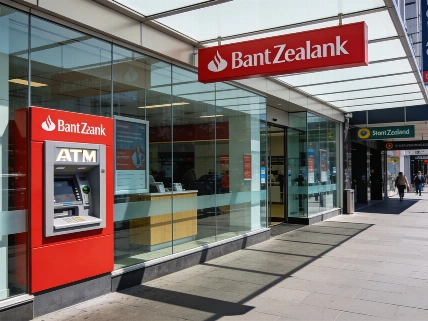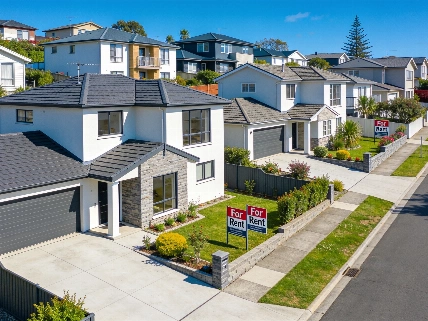
New Zealand homebuyers now face added hurdles as banks and insurers react to rising natural hazard threats. Westpac has started handing home loan applicants detailed reports on a property's exposure to flooding, landslides or coastal erosion, using the same data the bank uses for its own lending decisions.
Westpac says these risk assessments will not always lead to declined mortgage applications. Still, the bank notes that in up to two percent of cases, the risk profile could affect how much it is willing to lend or the loan's length. This reflects current policy, but as natural hazard risks grow, buyers and homeowners could see bigger impacts over time.
Mortgage finance and insurance hurdles
Across New Zealand, about 750,000 people and NZ$235 billion in buildings could face flooding from one-in-100-year rainfall events. If global warming hits 3°C this century under high-emissions scenarios, those numbers could climb to 900,000 people and $288 billion in property value.
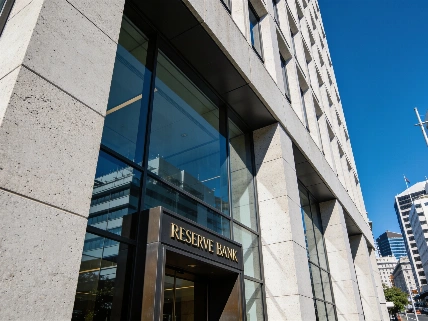
Most buyers must secure both mortgage finance and home insurance, since banks usually require mortgaged properties to be insured. Insurers are now weighing natural hazard risks more heavily when deciding whether to offer cover, set premiums or add conditions. The Reserve Bank of New Zealand reports that property insurers are increasingly assessing and pricing natural-hazard risk at the individual-property level, moving away from broad geographic categories. This change ties to better hazard information and planning decisions that have allowed or may allow more development in high-risk spots. The Reserve Bank's November 2026 Financial Stability Report points to climate adaptation and insurance affordability as ongoing financial-stability issues.
Some insurance providers have already limited new policies in certain places. AA Insurance, for example, stopped taking new home insurance policies in parts of Canterbury in September 2025 due to earthquake risk, and similar limits have appeared in Westport and Blenheim over flood concerns. The Canterbury restriction was later lifted and most existing policies stayed in place, but these moves show insurers are getting more selective about the risks they accept. The Reserve Bank has also observed that two homes in the same region may now get different treatment based on their specific hazard profiles.
Buyers might get mortgage approval but then find insurance unavailable or too expensive. Or, insurance may be offered, but the bank could lower the loan amount or shorten the term after its own risk review. Either outcome can block a property sale. The Council of Financial Regulators, which includes the Reserve Bank, is reviewing residential insurance to look at affordability, availability and market dynamics across New Zealand. This review covers natural-hazard risk, reinsurance costs, construction costs and competition, aiming to fill data gaps and guide future policy for the long-term resilience of households, insurers and the financial system.
Consequences for existing homeowners
Current homeowners feel these effects too. Mortgage agreements usually require borrowers to keep insurance in place. Under Westpac’s standard mortgage terms, failing to maintain required insurance can count as an event of default, which could trigger enforcement even if repayments are current.
As finance and insurance become harder to secure for high-risk properties, demand for these homes may drop, putting pressure on their values. The Reserve Bank has warned that less insurance availability could lead banks to restrict lending in high-risk areas, which may push property prices down further. Meanwhile, homes in lower-risk areas could attract more buyers and higher prices. These shifts can happen even without a disaster, since awareness of a property's hazard exposure—like flooding or earthquakes—can affect its insurability, access to finance and market value.
For homeowners, this means properties in high-risk spots may become harder to sell or lose value for reasons outside their control. The Reserve Bank’s report notes that climate adaptation and insurance affordability remain key challenges, and regulators are still collecting evidence without announcing a single national fix for affordability or availability issues.
Policy options and government role
Banks and insurers in New Zealand generally decide which risks they will accept, and no law forces them to provide finance or insurance for any property. Forcing them to take on too much risk could shrink the supply of finance and insurance in the market. Still, their choices may also discourage more investment in high-risk areas, which could limit future disaster losses.
Policy questions come up about whether the government should help homeowners who cannot insure, finance or sell their properties due to hazard risks. Options include helping owners reduce their exposure through better drainage, flood protection or seismic strengthening. Other countries have set up similar programs, such as flood assistance in Queensland and New South Wales or earthquake-resistance grants in California.
Another route could involve public insurance schemes, subsidies or relocation help for properties that cannot be economically protected. Each option brings trade-offs, including taxpayer costs and the risk of shrinking private finance and insurance if providers are forced to take on higher risks.
As natural hazard risks play a bigger role in lending and insurance decisions, buyers, homeowners and the wider property market will likely feel the effects more strongly. The Reserve Bank has said that the quality and consistency of information available to policymakers and market participants is a concern, and better data is needed to guide future policy. This reporting draws on information published by The Conversation and official statements from the Reserve Bank of New Zealand.
For buyers, a Land Information Memorandum (LIM) from the local council is a key source of property-specific details, including council-held information on rates, building consents, drainage, utilities and known natural hazards. A LIM offers a formal due-diligence tool separate from a bank’s lending review or an insurer’s underwriting, helping explain why natural-hazard exposure is now a bigger part of conveyancing, mortgage and insurance decisions. Still, not every hazard or future climate risk will show up in a LIM.
The New Zealand government has also announced plans to combine existing public and private flood data by the end of 2026, aiming to publish the country’s first national flood map in 2027. This mapping program is meant to help communities prepare for floods and protect homes, roads and water supplies, and could change how lenders, insurers, councils and buyers compare property-level flood exposure.
For more on how banks are using hazard risk reports in lending, see previous coverage at interest.co.nz.