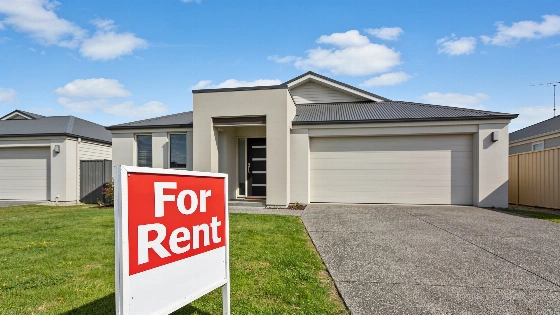
Buying a residential property in New Zealand with a mortgage now means investors often find rent doesn't cover the mortgage, let alone other costs. Calculations using Real Estate Institute of New Zealand lower quartile selling prices and Tenancy Services median rent data put the theoretical gross rental yield at 5.4% nationally in September, based on a lower quartile price of $580,000 and a median weekly rent of $599.
That 5.4% gross yield might look competitive against a three-year term deposit rate of about 4.6%, but the comparison doesn't hold up. The term deposit rate is net of expenses, while the rental yield is gross and ignores the ongoing costs landlords face. These costs include rates and insurance, plus maintenance, accounting, property management, and periods when the property sits vacant. The Reserve Bank of New Zealand has pointed out that comparing gross rental yields to term deposit rates can mislead, since rental returns face operating expenses, vacancies, credit risk, and maintenance, while term deposit rates are net returns on a different financial product. Mortgage pricing has stayed competitive relative to wholesale benchmarks, but property-level costs still weigh heavily on investors.
Mortgage payments and cash flow pressure
For buyers using a mortgage, the numbers get worse. Interest.co.nz estimates that buying at the national lower quartile price with a 60% mortgage ($348,000) at a 5.42% interest rate over 20 years means weekly mortgage payments of about $548. With the median rent at $599 per week, that leaves just $51 per week before any expenses. Once rates, insurance, maintenance, and other costs are deducted, landlords are likely to end up with negative cash flow and need to cover the shortfall from other sources.
The Reserve Bank reported that the average mortgage rate paid by borrowers was expected to rise from about 4.8% to 5.4% over the following year, based on current mortgage rates and market pricing for future interest rates. This projected average stays below the late-2024 peak of 6.4%, so debt-servicing pressure has eased from its worst point but hasn't gone away. The Bank also noted that lower mortgage rates since 2024 have improved borrower-stress measures, with the share of mortgage lending classified as non-performing dropping from 0.64% in early 2025 to 0.5% in September 2026. Still, it warned that rising unemployment and renewed increases in mortgage rates could slow or reverse that improvement. For leveraged landlords, cash-flow outcomes remain highly sensitive to refinancing dates and loan structure, as well as vacancy and operating costs, even when headline rates are below their peak. The Reserve Bank has also said that mortgage lending growth has been modest, limiting the build-up of housing-related financial risks, and that banks and insurers are well placed to withstand shocks. This means landlord cash-flow stress hasn't become a reported system-wide stability threat. However, individual properties can still produce negative cash flow when rent doesn't cover debt service and operating expenses. Reserve Bank of New Zealand Financial Stability Report November 2026
The period from October 2021 to June 2024 was especially tough, with cash flow after mortgage payments not even enough to cover the mortgage itself, according to Interest.co.nz. Many investors during this time started out in negative cash flow, hoping for capital gains that may not have come through. Even before this, when the surplus after mortgage payments was around $100 per week, the margin was thin once expenses were included.
Regional differences and investor response
Gross rental yields differ across the country, but the pattern holds in the main urban regions. In Auckland, the gross yield is 5.1%, and rental income doesn't cover mortgage payments on a 60% loan, let alone other costs. Other major regions show gross yields from 5.1% in Waikato and Canterbury to 6.2% in Otago. The numbers suggest that, without capital gains, residential property investment with a mortgage is likely to mean negative cash flow for many investors.
The Reserve Bank’s November 2026 Financial Stability Report described the housing market as still soft, especially in Auckland and Wellington, while South Island conditions were relatively firmer. Sales stayed low compared to available listings, giving buyers more choice and keeping prices soft. The Bank identified higher mortgage rates and election-related uncertainty as factors holding back housing demand, with investor lending growth slowing during 2026. More permissive loan-to-value settings introduced in December 2025 supported first-home-buyer activity, while investor activity weakened. The Bank also noted that regulatory lending metrics, such as loan-to-value and debt-to-income thresholds, can change how banks assess an investor’s borrowing capacity and risk profile over time.
Given these numbers, more investors are choosing to stay out of the market. The current figures show that, for those needing a mortgage, residential property is more likely to be a liability than an asset under present conditions. The Reserve Bank has also observed that household and business financial stress had generally eased by late 2026, supported by strong export earnings, improving business conditions, and lower interest rates, but warned that higher import costs and mortgage rates could put renewed pressure on households and businesses, and that not all borrowers are experiencing the same conditions. Landlords may face pressure from financing costs and maintenance and insurance inflation, as well as tenant affordability constraints and weaker resale demand, even as the overall financial system remains resilient.
For further details on the latest rental yield figures and cash flow analysis, see the original Interest.co.nz coverage.