Pet owners in New Zealand face a mix of national laws, council bylaws and conservation rules that shift depending on the animal, location and activity. The Dog Control Act 1996 lays out national rules for dogs, including mandatory registration from three months old. Local councils handle the registration process and set their own fees and bylaw conditions. Cat ownership has less national oversight. Some councils have bylaws for microchipping, desexing and registration, but many areas do not require these steps.
The Ministry for Primary Industries (MPI) keeps tight control over pet imports. Cats and dogs can only enter if they meet the Import Health Standard for their export country. New Zealand Customs requires a Customs Number for imports or exports valued at NZ$1,000 or more, which forms part of the border paperwork for bringing animals in. Other species face even tougher restrictions, and many exotic animals are banned as pets. Customs describes its job as "protecting and promoting New Zealand across borders."
Dog Registration, Microchipping and Council Bylaws
All dogs over three months must be registered with the local council, but fees and discounts differ by district. Microchipping is a separate rule for most dogs registered for the first time, except working farm dogs. The Department of Internal Affairs states that microchipping is also required for dogs classified as dangerous or menacing, and for some impounded dogs. Councils set their own bylaws for on-lead and off-lead areas, prohibited zones and nuisance controls. Owners should check the latest map or council website rather than relying on signs or past experience.
Dog-control rules often apply to specific areas, not the whole country. For instance, clause 10.1 of the Whangārei District Council Dog Control Bylaw 2024 temporarily closes the Okara – former Old Boys rugby grounds playing fields to the public, including for dog access, due to safety hazards found on site. This shows that local bylaws can bring in temporary restrictions on dog access to certain places. The council tells owners to keep dogs under control at all times so everyone can use public spaces, and reminds them they are responsible for making sure dogs do not disturb people, animals or wildlife, whether on or off lead. Local restrictions may last "until further notice," so a familiar walking spot can become off-limits without a national law change. For current dog rules in specific areas, local council updates are essential. More details are on the Whangārei District Council's official notice.
Cat Bylaws and Local Differences
Cats do not fall under a national registration law. Some councils, like Nelson City Council, have local bylaws for microchipping, desexing and registration on the New Zealand Companion Animal Register, but these rules and age cutoffs vary by area. Many councils have no cat-specific bylaws. Owners should check their local council website for the latest requirements and not assume rules from one district apply elsewhere.
Beaches, Parks, Conservation Land and Wildlife
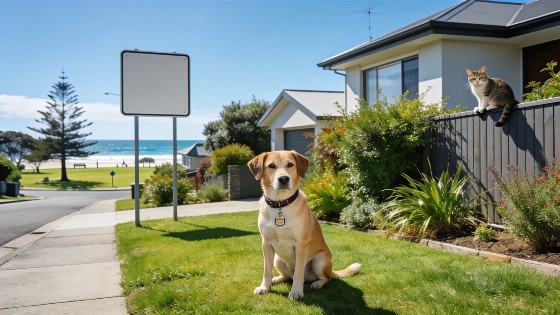
Local councils set access rules for dogs on beaches and in parks, and these can change by season or location. A beach might allow dogs off-lead in winter but require leads in summer mornings or ban dogs in wildlife nesting zones. The Department of Conservation (DOC) manages conservation land and usually has stricter rules, often banning pets unless owners get specific permission or a permit. Protected native wildlife, such as nesting shorebirds, penguins, kiwi, seals, sea lions and kea, can be harmed by pets. Extra care is needed in sensitive areas. DOC warns never to feed kea or leave food, rubbish or gear where kea can get to it.
Importing Pets and Biosecurity
MPI enforces strict biosecurity rules for pet imports. Only cats and dogs that meet the Import Health Standard for their export country are allowed. New Zealand Customs requires a Customs Number for imports or exports worth NZ$1,000 or more as part of border clearance. Other pets face even tighter restrictions, and many exotic species are banned. Owners should always check MPI's official advice for the latest rules and treat MPI as the final word on import eligibility. More information on border paperwork and clearance is available from New Zealand Customs.
Animal Welfare, Vehicles and Emergencies
The Animal Welfare Act sets broad duties for animal care in New Zealand. Leaving dogs in hot cars, failing to provide basic care or ignoring distress can lead to enforcement. Emergency planning matters too: during earthquakes, floods or evacuations, pets need food, water, medication, identification and a safe way to travel. For disputes, such as a dog injuring a cat, owners should avoid drawing legal conclusions without checking official sources or getting professional advice.
How to Check the Rules
Pet owners should identify the issue—whether it is about dogs, cats, imports, wildlife, beaches, welfare or disputes—then check the right official source. This could be the local council, DOC, MPI, the Department of Internal Affairs or the relevant law. Rules can change by area and over time, so always confirm the current requirements before acting. For legal, import or enforcement questions, get the answer from the official agency or seek professional advice.
The Animal Welfare Act 1999, Dog Control Act 1996, Department of Internal Affairs, Ministry for Primary Industries and Department of Conservation confirm these rules as current at the latest checked dates. Owners should always check with the relevant authority for the latest requirements before making decisions about pet ownership, movement or access in New Zealand.