New Zealand's biosecurity laws set clear boundaries on which animals people can keep as pets. The Ministry for Primary Industries (MPI) enforces these rules to shield the country's environment and native wildlife from invasive species and disease threats. In November 2026, New Zealand Food Safety, part of MPI, noted a drop in antibiotic sales for companion animals. This points to ongoing efforts around animal health and responsible pet care nationwide. The official MPI media release provides further details.
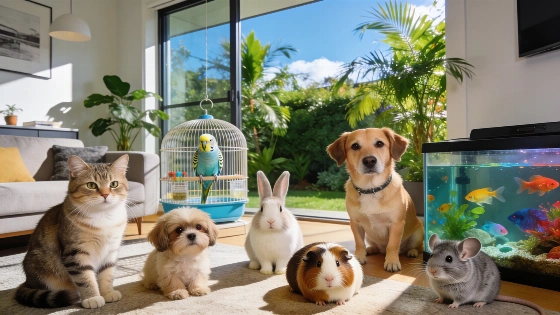
Most common pets are allowed. Cats, dogs, rabbits, guinea pigs, chinchillas, pet rats and mice, several familiar cage birds, many aquarium fish and a handful of reptiles already present in New Zealand can be owned legally. Still, the list of animals that are banned is long and enforcement is strict.
Prohibited and Restricted Animals
Certain species are listed as prohibited new organisms under Schedule 2 of the Hazardous Substances and New Organisms Act 1996. This covers all snakes, sugar gliders, gerbils and hamsters. There is no legal route to import, buy or keep these animals in New Zealand. Some reptiles, like green iguanas and veiled chameleons, are also on the banned list.
Ferrets are classed as unwanted organisms. Since 2002, selling, breeding or distributing ferrets as pets has been illegal. While some animals are fully banned, others face restrictions. For instance, specific dog breeds such as the American Pit Bull Terrier are restricted and may need permits or fall under regional rules. Certain bird species are also subject to special conditions or local council oversight.
Importing Pets and Regional Differences
Bringing pets into New Zealand involves tight controls. Only cats, dogs, chinchillas (from Great Britain), rabbits and guinea pigs (from Australia) can be imported, and each must meet strict health and paperwork standards. Trying to import a banned animal can lead to confiscation and penalties. Regional councils may set extra rules for some species or breeds, so checking both national and local regulations before getting a pet is essential.
Biosecurity and Responsible Ownership
New Zealand's stance on pet ownership comes from the need to protect its environment. The MPI, Department of Conservation, Environmental Protection Authority and regional councils all help enforce these laws. Anyone who thinks a banned animal is being kept should alert MPI. Pet owners are expected to confirm the legal status of any species before buying or importing and to follow all relevant rules.
For more details, official sources include the HSNO Act 1996, the Ministry for Primary Industries, the Department of Conservation, the Environmental Protection Authority, Auckland Council, Otago Regional Council and the New Zealand Herpetological Society.