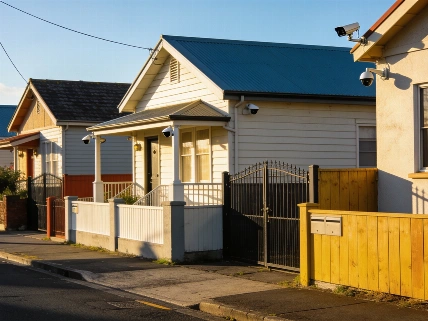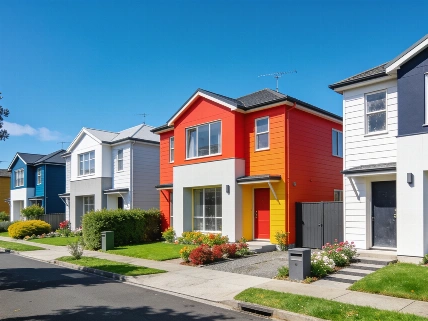
In January 2026, Auckland’s median rent hit $660 per week for all property types, according to the Trade Me Property Rental Price Index. This level, which has held steady compared to the previous year, keeps Auckland at the top of New Zealand’s rental market for cost. Those looking for a three-bedroom house face weekly rents between $700 and $760, based on MoneyBalance’s analysis of Tenancy Services bond records and Trade Me listings as of May 2026. On the buying front, the Real Estate Institute of New Zealand (REINZ) recorded a median sale price of $1,005,000 for Auckland in May 2026, up 2.6% from the previous year. Prices swing sharply by suburb: Mission Bay and Ponsonby often clear $2 million, Devonport sits near $1.75 million, and Papakura’s median drops to about $754,500.
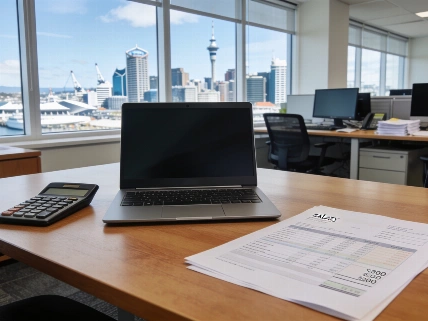
Living costs in Auckland reflect its position as the country’s priciest main centre. A couple’s weekly grocery bill usually falls between $150 and $220, depending on shopping choices. Power bills tend to be lower than in colder regions, with monthly charges typically between $100 and $140 thanks to Auckland’s milder climate. Broadband adds $80 to $100 per month. While Auckland’s median earnings reach about $73,800—roughly 6% above the national figure, according to Stats NZ—much of that extra income goes toward rent and commuting.
Suburb differences and housing choices
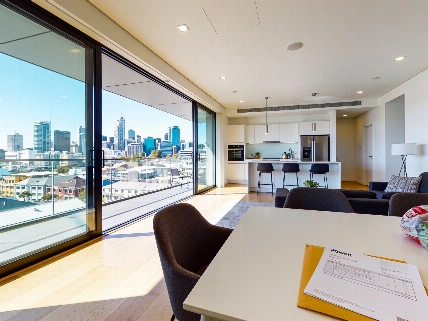
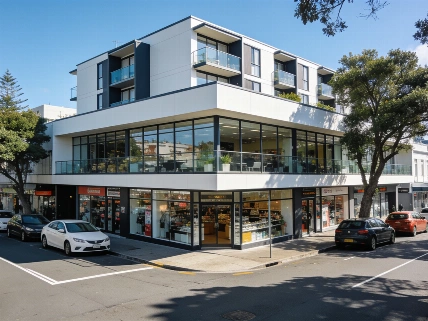
Auckland’s layout is shaped by its sprawl and mix of neighbourhoods. The central city (CBD) features high-rise apartments, nightlife and the shortest commutes, with apartments starting from around $500,000. Ponsonby and Grey Lynn are known for their villas, cafes and boutique shopping, but house prices here regularly top $2 million. Parnell and Newmarket offer leafy, heritage streets and direct train access, with homes often above $1.5 million. Mount Eden and Kingsland, popular with families, have volcanic parks and village high streets, with typical house prices between $1.3 and $1.8 million.
Beach suburbs like Mission Bay and St Heliers draw those after a coastal lifestyle, but lack train links, so buses or cars are needed for city commutes. Remuera, with its established homes and private schools, sits well above $2 million for most properties. Devonport on the North Shore offers a scenic twelve-minute ferry ride to the CBD, with house prices around $1.5 to $1.75 million. More affordable options can be found in West Auckland (Henderson, Titirangi) and South Auckland (Papakura, Manukau), where prices start from $650,000 and $754,500, and both areas have train service.
Transport, jobs and everyday life
Getting around Auckland means using trains, buses or ferries, all accessible with the AT HOP card, which gives a discount over cash fares. Adult single fares on buses and trains range from $2.50 to $3.70 depending on zones, while ferry trips usually cost $6 to $8.50 at peak times. HOP cards have a $50 weekly fare cap, and a $20 daily cap applies for contactless payments. The City Rail Link, a major underground rail project connecting western and southern lines through new central stations, was handed over to Auckland Transport and KiwiRail in June 2026 and is set to open to passengers on 13 September 2026 with a transitional timetable. This marks the biggest change to Auckland’s public transport since the harbour bridge opened.
Even with these upgrades, traffic congestion is a daily reality. TomTom’s 2024 global index ranked Auckland 77th out of 500 cities for rush-hour delays, with the average driver losing about 85 hours to congestion in 2025. Many residents use bicycles for commuting, especially on the Grafton Gully Cycleway and Te Ara I Whiti (the Lightpath), which can outpace cars during peak times. A dedicated walking and cycling path across the harbour bridge remains in the planning and consent stage, with construction expected to take several years.
Auckland’s job market is the largest and most varied in New Zealand, employing close to a million people. Major sectors include finance, IT, construction, health, retail, hospitality and the country’s busiest port. The city’s unemployment rate was 6.6% in the March 2026 quarter, higher than the national rate of 5.3%. Wages are higher, but competition for roles is strong and the cost of living can offset much of the salary advantage.
Neighbourhood amenities and lifestyle
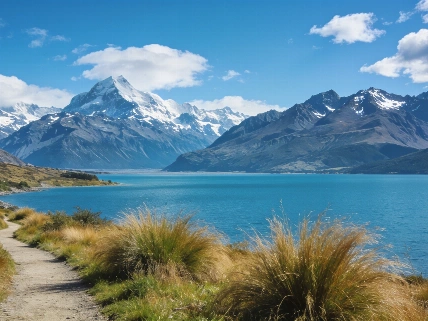
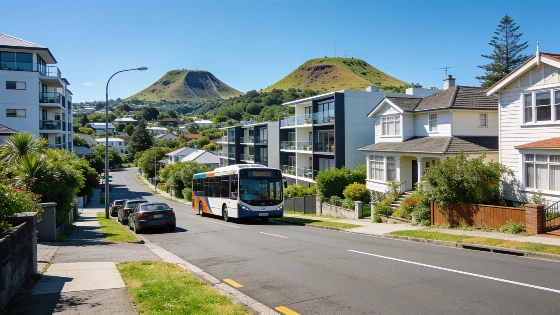
Green spaces stand out in Auckland, with more than 50 dormant volcanic cones providing parks and panoramic views. The city sits between two harbours, giving residents easy access to the Hauraki Gulf and its islands, including Waiheke Island and Great Barrier Island (Aotea). West of the city, black sand beaches such as Piha, Muriwai and Bethells (Te Henga) are popular for day trips. Auckland’s climate is mild and relatively sunny, with an average annual temperature of 15.5°C, about 1,167mm of rain per year and roughly 2,060 hours of sunshine, according to NIWA. On wet days, the Auckland War Memorial Museum offers free entry for residents and extensive exhibitions on Māori history and New Zealand’s wartime experience.
Building community connections in Auckland can take time, especially for newcomers or those without existing networks. The city’s size and pace mean that establishing a support network may take longer than in smaller towns. For those considering other options, Simple New Zealand’s earlier breakdown covers rental-market differences between Auckland and Canterbury.
Who Auckland suits and practical considerations
Auckland works best for people seeking the largest job market, international flight connections, a multicultural community and proximity to beaches and islands. It attracts career-focused professionals in sectors such as technology, finance and the creative industries, as well as those who value a lively food and bar scene alongside outdoor activities. First-home buyers on a tight budget and those after a slower, small-town lifestyle may find better options elsewhere in New Zealand. Suburbs with direct train or ferry access, such as Parnell, Remuera, Mount Eden, Henderson and Devonport, offer alternatives to car dependency, while East Auckland, much of the North Shore and the west remain more reliant on private vehicles.
Safety in Auckland depends on suburb and time of day, with standard city precautions advised, especially in the central city at night. Most residential areas are considered as safe as comparable cities of similar size. Weather is generally mild, with warm, humid summers and wet winters rather than extreme cold. For those weighing Auckland against Wellington, the main differences are job market size, weather and ease of settling in, with Wellington offering a smaller, more walkable environment.