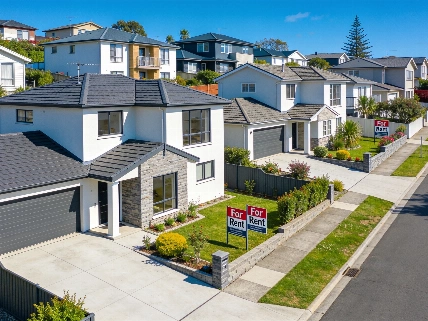
Data from Tenancy.co.nz's OnePortal system shows that in October, more than two in five Auckland rental properties listed for rent were still available by the middle of November. Out of 2196 Auckland listings, 930 had not been let by mid-November, which makes up 42 percent of the total. In Canterbury, only 24 percent of October listings remained unlet at the same point, or 183 out of 776 properties.
Across New Zealand, 2079 of 5435 rental properties listed in October were still on the market by mid-November. These figures point to a regional difference in how quickly rental properties are being tenanted, with Auckland seeing a slower pace compared to other areas.
Letting times and regional differences
When Auckland rentals did secure tenants, the median letting time was 11.7 days, just above the national median of 11.5 days. In Canterbury, the median time to let was 9.7 days, and 72 percent of properties were tenanted within two weeks. Chris Matthews, a consultant at Tenancy.co.nz, described the situation as a "regional divide" and said the data shows a clear difference between Auckland and Canterbury.
Matthews explained that not all properties seeking tenants would necessarily be empty. The longer time to find tenants in Auckland means landlords and property managers need to set realistic prices and pay attention to how their properties are presented. He also pointed to economic factors such as unemployment and migration to Australia as possible reasons for the tougher conditions facing Auckland landlords.
Market conditions and tenant negotiations
Reports from Canterbury indicate that even in a faster-moving market, some property types, such as townhouses without their own driveway, can be harder to let. Matthews said, "There are still challenges for some segments of the market but more attractive and well-presented properties are still being let relatively quickly. I think overall tenants have more choice and more scope to negotiate."
Many landlords and property managers are not looking to increase rents, and in some cases, tenants are able to negotiate rent reductions when renewing their agreements. Property investor and coach Steve Goodey observed that while it is not extremely difficult to find tenants, it has become harder to secure high-quality tenants or those willing to pay premium rents. He noted that some landlords are experiencing increased cash flow pressures due to falling rents and rising interest rates, especially if property values have declined since purchase.
Recent trends in rental prices and demand
Earlier in the month, Realestate.co.nz, Trade Me and Cotality reported early signs that the rental market might be turning. Realestate.co.nz said its average rent was up 1 percent year-on-year to $634, while Trade Me recorded a 2.5 percent increase to $625. Trade Me also reported that Auckland's median rent had risen to $660 a week, marking the first annual gain in nearly two years. Rental demand on Trade Me was 15 percent higher than in October 2025, with listings down 7 percent. Realestate.co.nz reported a 3.3 percent drop in listings nationally and a 7.7 percent fall in Auckland, with stock down 7 percent across the country. Kelvin Davidson, chief economist at Cotality, said these figures suggest the rental market has turned a corner and may be near the bottom.
No regulatory decision, statutory amendment, tribunal ruling, or official tenancy-policy measure was identified in relation to the differences in letting times between Auckland and Canterbury. The available data does not include vacancy rates, median rents, or official statistics from government housing agencies or tenancy regulators for this period. There is also no evidence of a regulatory explanation for the regional differences in rental market conditions.