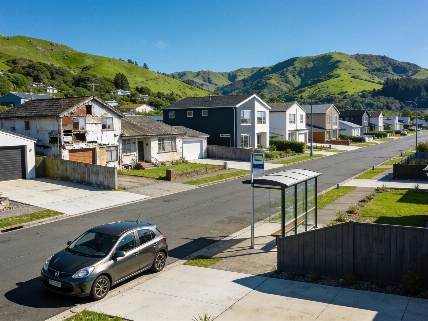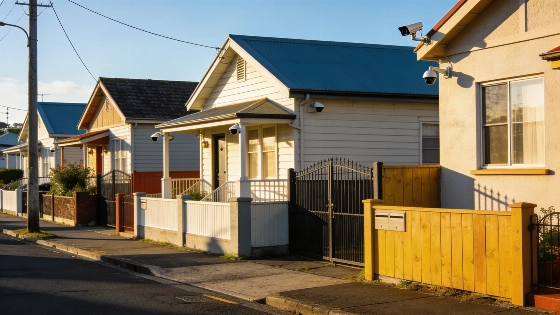
Years of intimidation, verbal abuse, and late-night noise have pushed Kāinga Ora to start the process of ending a tenancy in Onehunga, Auckland. Neighbours say their safety and wellbeing have suffered because of one tenant's actions.
People living on the street describe a steady rise in incidents: shouting, swearing at those passing by, and confrontations with both pedestrians and drivers. One family, residents for about 15 years, said the situation grew so severe they thought about selling their home. David, the father, told Stuff his wife was so unsettled by the neighbour's behaviour that she kept their daughter home from school during a particularly troubling episode. He recalled nights repeatedly interrupted by outbursts, sometimes stretching for up to two weeks, leaving the family unable to sleep properly.
Ivy, who moved to the street in 2023, said women seemed to be frequent targets of the tenant's actions. She described the man shouting abuse outside her home, making intimidating comments, and throwing objects onto her property after police visits. Ivy said her household eventually had the man trespassed. Neighbours put up gates and security cameras because of ongoing safety worries. Sally, who has lived there for 33 years, said she started raising concerns soon after the tenant arrived more than a decade ago, and her daughter now feels unsafe even working in the garden.
Kāinga Ora response and tenancy rules
Kāinga Ora, the government housing agency, called this a complex tenancy involving a person with "significant challenges". Regional director John Tubberty said the agency investigated complaints, issued several breach notices, and is now seeking tenancy termination through the Tenancy Tribunal. Tubberty said other agencies are involved to provide support for the tenant, but privacy rules limit what Kāinga Ora can disclose. The agency confirmed the decision to seek termination was not triggered by media questions, and that all steps required under the Residential Tenancies Act must be followed before ending a tenancy.
In its quarterly report for the period ending 31 March 2024, Kāinga Ora listed disruptive-tenant management as a key operational focus. The agency said it was changing how it handles disruptive behaviour and planned to use Residential Tenancies Act tools more quickly to encourage behaviour change, with severe cases facing faster tenancy termination. This policy change signals a wider effort to address serious disruption in Kāinga Ora properties, not just a reaction to the Onehunga case. The report states, "This includes timely use of RTA tools to prompt behaviour change and accelerating termination for severe cases."
New Zealand’s Tenancy Services framework offers several formal ways to resolve disputes between landlords and tenants, including self-resolution, FastTrack Resolution, mediation, and Tenancy Tribunal hearings. When Kāinga Ora wants an enforceable tenancy order, it must apply to the Tenancy Tribunal, which is the legal route for tenancy termination. Filing with the Tribunal does not mean a termination has been granted; a tenancy can remain active while the application is reviewed. The Onehunga case is currently moving through the Tribunal process, and no public Tribunal decision or eviction order has been issued for this tenancy.
In March 2024, the Government told Kāinga Ora to end its Sustaining Tenancies Framework and take stronger action against antisocial and disruptive tenants, including speeding up the process for ending tenancies. Neighbours have asked why it took so long for the agency to act, given the number of complaints and the effect on residents. Kāinga Ora said all complaints sent by email were answered by a senior housing support manager, and a Teams meeting was held with one resident when an in-person meeting could not be arranged.
Police involvement and neighbourhood impact
Police confirmed repeated callouts to the street in recent years, responding to behaviour complaints and other disorderly incidents. Senior Sergeant Bronwyn Matthews said officers took appropriate action and encouraged residents to keep reporting issues, which helps agencies respond. Matthews noted police can address criminal behaviour, but tenancy matters are for Kāinga Ora to handle.
The ongoing situation in Onehunga shows the difficulties neighbours face when disruptive behaviour continues in a residential area. Residents have repeatedly asked both Kāinga Ora and police for help, but many feel little changed until now. The move toward tenancy termination has brought some relief, but uncertainty remains about whether this step will resolve the long-running concerns. For more on how rental market pressures affect Auckland residents, see this earlier report.
Names have been changed to protect the identities of those involved.