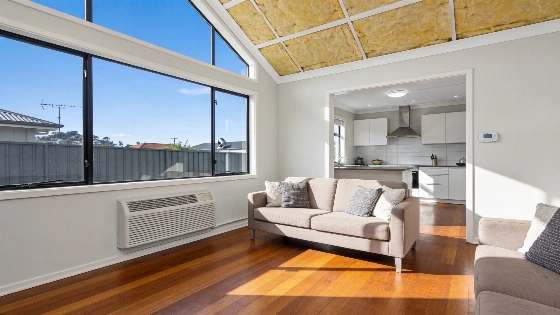
Private rental properties across New Zealand now fall under the Healthy Homes Standards, with mandatory compliance since July 2025 unless a specific exemption applies. These standards, set out in the Residential Tenancies Act 1986, define minimum requirements for heating, insulation, ventilation, moisture ingress and drainage, and draught stopping. The rules cover private rentals and other residential tenancies, subject to outlined exemptions and transitional rules. Landlords must ensure compliance and keep these features up to standard throughout the tenancy. This applies to tenants moving into a new home in November 2026, who should expect the property to meet these requirements. The government’s Tenancy Services portal lists the standards as part of the framework for improving rental conditions for tenants and landlords.
For tenants, especially those new to New Zealand’s rental system, the process begins before signing the agreement. The Healthy Homes compliance statement is a required document: it must be signed and attached to the tenancy agreement, showing the property’s current compliance status and any claimed exemptions. This statement is needed for all new or renewed tenancy agreements and lets tenants review the landlord’s assessment before or at the start of the tenancy. Tenancy Services guidance states that landlords are responsible for meeting and maintaining these standards, while tenants are expected to use the facilities reasonably and report maintenance issues. If the compliance statement is inaccurate or incomplete, a compliance dispute can arise, so tenants should keep this document as evidence if the property’s condition does not match the landlord’s written claims.
What to check before moving in
Before agreeing to a rental, ask for the signed compliance statement and read it with the tenancy agreement. The statement should outline the heating system, insulation, ventilation, and any relevant exemptions. A general claim that a home is “warm and dry” is not enough—tenants should check the statement matches the actual property and covers all required features. If details are missing or inconsistent, request clarification in writing and keep a copy of the documents. The Healthy Homes Standards set out specific technical obligations, not just a general promise of comfort.
Heating often causes confusion. The standard requires a fixed, acceptable heater with enough capacity for the main living room. Portable heaters usually do not qualify. The compliance statement should list the required heating and what is installed. If the heater does not work, record the issue and ask for a repair. Tenants should not attempt electrical or technical inspections themselves. A visual check is enough, and technical assessments may need a qualified professional.
Room-by-room checks and common issues
In kitchens and bathrooms, look for working extraction fans and ask how moisture is removed to the outside. The ventilation standard covers openable windows or doors in living spaces and extraction in kitchens and bathrooms, with some exemptions. During an inspection, test the extractor and note any obvious faults. If there are technical concerns, ask for supporting information. For families who cook often, use the installed extraction as intended and report failures quickly. Do not assume that ordinary household moisture is always the cause of dampness—leaks or poor extraction may be involved.
Tenancy Services offers an official checklist for tenants to record visible conditions. Take photographs to document the state of each room and date them, but avoid including people or personal papers. If a photo cannot show the problem, write a brief description of when it occurs and what has already been tried.
Dealing with dampness, leaks and repairs
If dampness appears, ask the landlord to investigate the source instead of treating it as a cleaning issue. The moisture-ingress and drainage standard covers stormwater removal and ground moisture. Persistent water entry may need building work or maintenance that tenants cannot fix by opening windows. Record whether the problem follows rain, appears around a particular window or affects a specific wall. Report active leaks quickly and take reasonable steps to prevent further damage where safe. Do not attempt roof, electrical or structural repairs yourself. Maintenance requests should state the location, visible condition and requested investigation, without needing to diagnose the exact cause.
Tenant and landlord responsibilities
Tenants are responsible for using the home’s facilities reasonably, keeping it clean and tidy, and reporting maintenance problems. Tenancy Services guidance says that using ventilation and keeping heating equipment clean are part of ordinary care. If a system is unfamiliar, ask the landlord for operating instructions. Household arrangements about heating and ventilation should be agreed among flatmates, but these do not replace the landlord’s legal duties. Disagreements between flatmates are not proof of compliance or non-compliance with the standards. The regulatory system is set up to support both sides of the tenancy relationship, with statutory obligations on landlords and enforceable rights for tenants when minimum housing requirements are not met.
What to do if issues are not resolved
If a concern is not fixed, raise it in writing and use the formal tenancy-resolution process if needed. Tenancy Services explains how to issue a 14-day notice to remedy and how to apply to the Tenancy Tribunal. Keep all documents, photographs and correspondence in date order. If the landlord disputes the issue, record the specific disagreement. Do not withhold rent, arrange expensive repairs or end a fixed-term tenancy without following the correct process. Seek guidance from Tenancy Services before taking steps that could create a separate dispute. The official Tenancy Services portal remains the main public source for current New Zealand rental guidance, including landlord and tenant obligations and market-rent information.
Key steps for newcomers and ongoing checks
For newcomers to New Zealand, especially those unfamiliar with local housing rules, it is important to check the property’s condition and compliance before paying or committing to a tenancy. Ask for the compliance statement and an explanation of heating and extraction systems. Record any promised repairs and when they will be completed. Use the official tenant toolkit and related resources to understand your rights and responsibilities. The same standards apply regardless of nationality; knowing what to ask and how to document issues is useful for all tenants.
After moving in, follow up on any concerns and confirm whether repairs or assessments have been completed. Keep a dated record of outcomes and update your documentation if technical information changes the assessment. Where disagreements remain, use the official resolution process with organised evidence. Guidance was checked as of 19 November 2026. A clear understanding of the property’s compliance and any required work helps tenants prepare before colder weather returns.
Tenancy Services also publishes market-rent information by location and period, letting tenants compare rents in specific areas such as Avondale, Auckland, for the period 1 April 2026 to 30 September 2026. This data helps prospective tenants understand local market conditions, though it does not itself establish whether an individual property complies with the Healthy Homes Standards. When moving in, a landlord may require a bond, which is a standard part of the tenancy process and is linked to the wider set of documents and financial obligations at tenancy commencement. More information on these requirements and the Healthy Homes Standards can be found on the Tenancy Services website.