Investing in property in New Zealand involves a set of rules that shape how much you can borrow, the deposit required, and when tax may apply on a sale. The Reserve Bank of New Zealand (Te Pūtea Matua) enforces loan-to-value ratio (LVR) and debt-to-income (DTI) limits, along with the bright-line test, to influence the financial side of property investment. Landlords must also meet Healthy Homes standards and follow tenancy law. The Reserve Bank defines DTI as total debt divided by gross income, and LVR as mortgage lending compared to the value of the secured property. These ratios are part of a wider risk-monitoring approach and do not alone determine affordability or default risk. Bank underwriting can factor in expenses and rental income, as well as interest rates, existing debts, credit history, and property valuation, even if a borrower fits within a regulatory ratio. The Reserve Bank DTI methodology covers these measures in detail.
Most investors must provide a 30% deposit for an existing property under LVR rules. New Builds are treated differently and are exempt from LVR restrictions, so a 20% deposit usually applies. The Reserve Bank's DTI dataset, which tracks monthly data from March 2017, shows that serviceability risk is seen as a spectrum, with no single point where DTI is considered high. The Bank pays close attention to lending above five times income. In October 2026, total new mortgage commitments reached NZ$7.2 billion, with investors making up 17.7% of new commitments. Of these, 53.3% of investor commitments had a DTI above five. These numbers show investor borrowing remains a major part of new mortgage activity, but do not mean a lender will approve a loan above any regulatory threshold. DTI rules, in place from 1 July 2024, generally cap borrowing at seven times pre-tax annual income, but New Builds are exempt. Banks can allocate up to 20% of new investor lending to those above the DTI cap, but this is not assured for every applicant. The Reserve Bank updates DTI and LVR data quarterly as part of its risk monitoring.
Tax and compliance requirements
The bright-line test requires tax on any gain if you sell an investment property within two years of buying it. This period was cut from ten years to two for properties sold on or after 1 July 2024 under the National-led government. There are exemptions, such as for your main home, but investors should check which properties are affected before selling.
Rental income is taxable, and investors must pay income tax on profits after deducting costs like mortgage interest, rates, insurance and property management fees. These profits are added to your other income for tax purposes. Landlords must also meet Healthy Homes standards, which cover heating, insulation, ventilation, moisture and drainage, and draught stopping. These rules aim to make rentals warmer and healthier for tenants.
Tenancy law and overseas buyer restrictions
Landlords must follow the Residential Tenancies Act, which sets rules for tenancy agreements, bonds, rent increases, ending tenancies, maintenance, inspections and property access. Not everyone can buy residential property in New Zealand: citizens of New Zealand, Australia and Singapore are generally allowed, but other overseas buyers face restrictions and may only be able to buy certain New Build apartments.
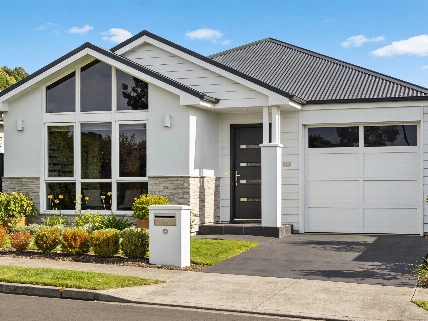
Some investors prefer New Builds, as they are exempt from both LVR and DTI restrictions and usually meet Healthy Homes standards from the start. This can make the process simpler for those entering the market or growing their portfolio.
Knowing these rules matters for anyone looking at property investment. You do not need to be a tax or tenancy law expert, but understanding which requirements apply to your situation can help you avoid expensive errors. For more on recent trends affecting property owners, see this reported earlier story.
Summary of main rules for 2027
- Deposit: 30% for existing properties, 20% for New Builds (LVR rules).
- DTI: Borrowing generally capped at seven times income, with New Builds exempt. The Reserve Bank closely monitors lending above five times income, and in October 2026, 53.3% of investor commitments had a DTI above five.
- Bright-line test: Tax may apply if selling within two years of purchase.
- Rental income: Taxed after deducting allowable costs.
- Healthy Homes: Minimum standards for rental properties are mandatory.
- Tenancy law: Landlords must follow the Residential Tenancies Act.
- Overseas buyers: Restrictions apply, with some exceptions for New Builds.
This information is for general guidance only. Seek professional advice before making investment decisions. For further details on DTI and LVR rules, see the Reserve Bank's DTI introduction and October 2026 DTI commitments summary. For a practical overview, see the original Opes Partners guide.