Auckland offers the widest range of big-city amenities in New Zealand, but living there comes with compromises. Housing expenses and commuting can take up a considerable share of a household's budget and time. According to Stats NZ population estimates, Auckland had 1,841,200 residents at 30 June 2026, following annual population growth of 1.2%.
Advantages of living in Auckland
As New Zealand's largest urban centre, Auckland offers employment opportunities across a broad range of industries. Its concentration of businesses and educational institutions gives residents access to career and study options that can be harder to find in smaller towns. The city's multicultural population is also reflected in its restaurants, community organisations and social life.
Access to nature is another advantage. Residents can spend their weekends exploring the Waitākere Ranges or visiting beaches along the North Shore. Auckland Council manages 28 regional parks open to the public, providing opportunities for outdoor recreation without travelling far beyond the metropolitan area.
Auckland's relatively mild climate makes outdoor activities possible throughout much of the year. Summers are generally warm, while winters are less cold than in many southern parts of New Zealand. The trade-off is frequent rain and humid conditions, particularly during the wetter months.
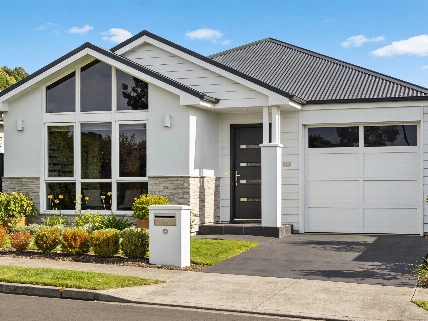
Housing options vary considerably between neighbourhoods. Central Auckland suits people who prefer apartment living and proximity to workplaces. Ponsonby offers established residential streets alongside cafés and restaurants, while coastal suburbs such as Takapuna appeal to residents who value beach access.
Housing costs and other disadvantages
Rent is one of the biggest expenses for Auckland households. According to Tenancy Services figures for 1 April to 30 September 2026, the median weekly rent for a one-bedroom apartment in central Auckland was $450. Two-bedroom apartments had a median rent of $550, rising to $700 for three-bedroom apartments.
At $550 per week, annual rent amounts to $28,600, before electricity, internet and other household expenses. Sharing accommodation can reduce individual housing costs, although prospective flatmates should establish which expenses are included in the advertised rent and what their agreement covers.
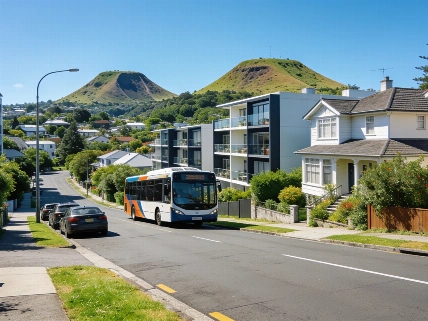
Traffic congestion is another drawback. Auckland's spread-out residential areas mean that living several suburbs away from work can result in lengthy journeys. Crossing the Harbour Bridge during busy commuting periods is a particular consideration for people living on the North Shore and working in the city centre.
Public transport provides an alternative to driving, although its convenience depends heavily on the route. Auckland Transport's seven-day fare cap limits eligible travel with an AT HOP card to $50 over seven days. The cap covers buses, trains and selected inner-harbour ferries. Waiheke Island services and several other ferry routes are excluded.
Distance from other countries can also affect residents with family overseas. International journeys are often expensive and time-consuming, even with Auckland's extensive flight connections. People accustomed to travelling frequently between neighbouring countries may find New Zealand's geographical isolation difficult.
Choosing the right Auckland neighbourhood
In her guide for A Way Abroad, Auckland resident Angel Chang describes the city's combination of urban amenities and outdoor recreation as a major attraction. She also identifies expensive housing and congested roads as significant disadvantages. Her experience illustrates how neighbourhood choice can influence everyday life.
Central suburbs can suit workers who want to minimise commuting time. The North Shore offers coastal living, while West Auckland provides convenient access to forested areas and outdoor activities. Families may place greater importance on school enrolment zones and the availability of suitable rental properties.
When comparing Auckland neighbourhoods, advertised rent is only one part of the calculation. A cheaper property farther from employment may bring additional vehicle expenses and longer journeys. Checking transport connections at the actual times residents need to travel can help establish the real cost of living in a particular suburb.