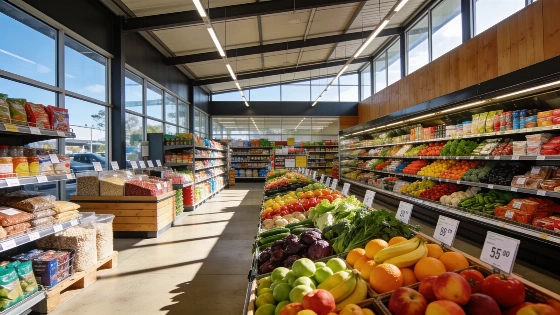
Stats NZ’s latest figures for 2026 show food prices have edged up again, with a 2.3% increase in the year ended October 2026, following a 2.4% annual rise in September. The grocery-food subgroup, which covers supermarket and grocery store purchases, climbed 2.1% over the year. For many New Zealanders, a family of four now typically spends between $200 and $280 each week on groceries. Couples are seeing weekly costs of $150 to $200. Singles face a weekly spend ranging from $90 to $130, and larger families with three or more children can see their grocery bill reach $380 a week. These numbers reflect only supermarket and grocery store purchases. They do not include dining out, takeaways or coffee, which are tracked separately by Stats NZ and increased 3.4% over the same period. The official data shows prepared food costs grew faster than supermarket grocery prices. Stats NZ also noted that all food groups recorded annual increases, with products like onions, chocolate blocks, potatoes, and takeaway coffee pushing prices higher. For example, the average price for a kilogram of onions more than doubled from $1.76 in October 2025 to $3.66 in October 2026.
Monthly food prices dropped 0.4% from September to October 2026, with grocery food down 0.9% and fruit and vegetables down 1.6%. These figures come from the Selected Price Indexes published by Stats NZ, which provide monthly and annual benchmarks for food price changes in New Zealand households. Regional differences remain significant. Aucklanders pay 5–10% more than those in many smaller towns, and prices in remote areas shift depending on distance from distribution centres.
Supermarket Price Differences and Shopping Strategies
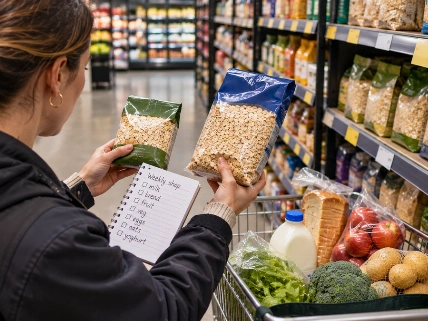
New Zealand’s three main supermarket chains—Pak'nSave, Woolworths (formerly Countdown), and New World—offer different experiences and price points. Pak'nSave is generally the lowest-cost option for bulk staples and family shops. It offers a no-frills environment and requires customers to bag their own groceries. Woolworths sits in the middle for price, with a stronger online shopping platform and a wider range of prepared foods. New World is usually the most expensive, but is known for higher produce quality and a broader selection of specialty items.
House brands such as Pams at Pak'nSave and own-brand products at Woolworths can help reduce costs. Shoppers who plan their meals, buy seasonal produce, and check unit prices rather than sticker prices often find it easier to keep their weekly spend within target. Tracking actual spending—including top-ups at dairies and convenience stores—can reveal that many households underestimate their grocery costs by 20–30%.
Where the Grocery Budget Goes
According to the data, the largest share of the typical grocery budget is spent on meat, poultry and fish (22–25%), followed by fruit and vegetables (18–20%), dairy and eggs (12–15%), and bread and cereals (10–12%). Stats NZ reported that in the year ended October 2026, meat, poultry and fish prices rose 2.5%, while fruit and vegetables increased 1.1%. Pre-prepared meals and snacks account for up to 15%, while non-alcoholic drinks and household products make up the remainder. Reducing purchases of pre-prepared foods and snacks can deliver substantial savings, with some families able to cut $30–$50 a week by cooking more at home. The official data also shows that non-alcoholic beverages rose 2.1% annually, and restaurant meals and ready-to-eat food increased 3.4%.
Ways to Cut Grocery Spending
Meal planning, buying in bulk, and shopping at lower-cost supermarkets are among the most effective ways to manage grocery bills. Other strategies include buying seasonal produce, batch cooking and freezing meals, reducing meat frequency, and using loyalty or rewards cards. Tracking spending with budgeting apps or bank tools can help set realistic targets and monitor progress. Even small weekly reductions, such as $20, can add up to over $1,000 saved in a year. Stats NZ’s electronic card transactions data for October 2026 showed that retail spending decreased 0.7% month-on-month, with spending in the consumables category (which includes groceries) down 0.3%, or $7.5 million, during the month. This reflects changing consumer behaviour as households respond to higher prices.
Setting a Realistic Grocery Budget
To establish a workable grocery budget, households are advised to track their actual spending for a month, compare it to national averages, and set an initial target 10–15% below their current spend. Regular reviews can help keep spending on track. For those wanting a more tailored estimate, the grocery budget calculator at Simple New Zealand allows users to see their likely spend per person, per month and per year.
For 2026, a reasonable weekly grocery budget is $150–$200 for a couple and $200–$280 for a family with children. Households spending above these ranges may find opportunities to reduce costs without sacrificing quality or variety. The latest official figures from Stats NZ confirm that grocery food prices increased 2.1% annually and decreased 0.9% from September to October 2026, indicating moderate annual grocery inflation with a recent monthly decline. For more details on food price changes and household spending, see the Stats NZ Selected Price Indexes and October food price release.