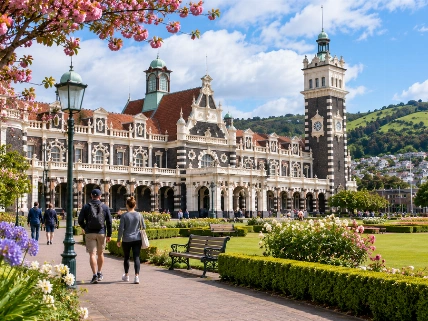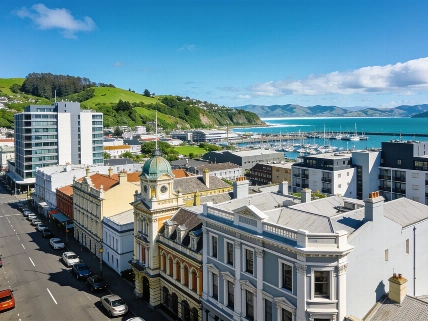
Recent estimates from rental listings, government statistics and local reporting put the typical monthly budget for living alone in Dunedin in 2026 at around $2,200 in US dollars. This sum covers rent, utilities, internet and daily expenses. Most single residents spend between $1,800 and $2,600 each month. Couples and families pay more, with a couple's average budget at $3,200 and a family of four about $4,600. These are estimates, not official Stats NZ figures. For national context, Stats NZ reported a 3.0% rise in household living costs for the average New Zealand household in the 12 months to September 2026. Electricity prices jumped 9.4% and gas prices climbed 11.0% over the same period, which puts extra pressure on household budgets. The national flow measure of rental property rose 0.5% in October 2026, and the stock measure increased 0.1% annually. More details are in the Stats NZ Selected Price Indexes release.
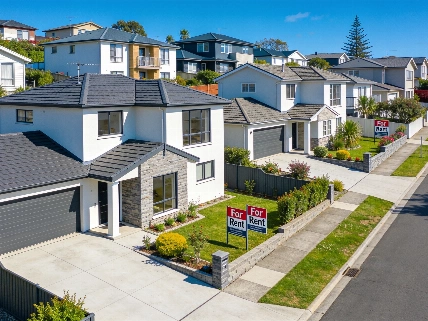
Rental prices in Dunedin stay lower than in other major New Zealand cities. A one-bedroom flat near the city centre rents for about $950 per month. Similar properties further out are closer to $800. These rents are below those in Christchurch and Wellington, where single-person budgets are estimated at $2,300 and $2,500. Dunedin's safety index stands at 74 out of 100, higher than both Christchurch and Wellington. These numbers are estimates and should be seen as indicative, not official government statistics.
Housing conditions and neighbourhoods
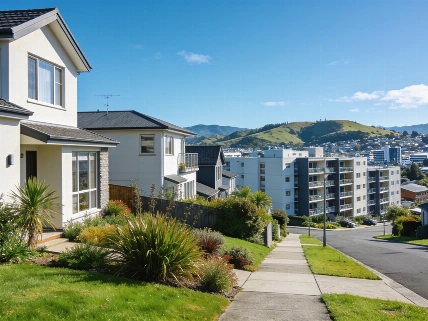
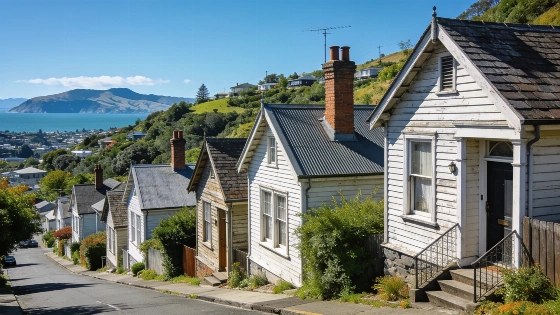
Dunedin's housing stock is mostly older, with many properties built decades ago. Prospective tenants should check insulation and heating before signing a tenancy agreement. Older homes may fall short of modern comfort standards. Flood risk is another factor, especially for properties on low-lying streets. Popular neighbourhoods include St Clair, which has a beach and a café strip, and Māori Hill and Roslyn, which are known for sun and city views. Mosgiel, on the Taieri Plain, features newer homes on flat sections.
Transport and accessibility
Orbus, run by the Otago Regional Council, provides public transport in the city. Most routes and timetables changed in October 2026. Zoned fares are set to start in November, but new prices have not been announced. Payment is by Bee Card or cash, as bank cards are not accepted. A monthly transit pass is estimated at $50. Walking works well in the flat central area, but many suburbs are steep. Baldwin Street holds the Guinness record for the world's steepest street. Cycling is gaining popularity, though the hills limit its appeal outside the central city. Most households keep a car for trips to the peninsula and beaches. Dunedin Airport sits about 22 kilometres southwest of the city centre, with flights to Auckland, Christchurch, Wellington and Australia's Gold Coast.
Everyday life and services
Dunedin's pace shifts with the university calendar, and the city quiets down during student breaks. The University of Otago, New Zealand's oldest, is a central presence. Many newcomers arrive for academic or medical roles. There is no specific expat neighbourhood. People connect through work, clubs or schools. The Otago Peninsula is home to wildlife such as royal albatross and yellow-eyed penguins. Surfing at St Clair is a local option.
Healthcare centres on Dunedin Hospital, which serves Otago and Southland. A replacement hospital is under construction, with the new inpatient building due in 2031. Public healthcare covers residents and most people on work visas valid for two years or more. Others must pay for care or arrange private health insurance before arrival. For retirees, New Zealand's Temporary Retirement Visitor visa is available to those aged 66 and over who can invest a significant sum for two years and show separate living funds and income. This visa does not provide residence or public healthcare access.
Climate and living environment
Dunedin has a cool climate, with an annual average temperature of 50°F (10°C) and about 31 inches of rain each year. July is the coldest month, with average highs near 47°F and lows around 37°F. January brings milder weather, with highs averaging 64°F. Rain falls throughout the year, and sunshine levels shift by season. The city's hilly terrain affects accessibility, especially for those with limited mobility. Orbus buses have ramps and low floors. The Total Mobility scheme offers subsidised taxi travel for people unable to use the bus.
Cost breakdown and comparisons
Compared to Austin, Texas, Dunedin's living costs are about 30% lower for singles and couples and 40% lower for families of four. An inexpensive meal costs around $14, and internet averages $55 per month. Buying a property in the city centre is estimated at $325 per square foot, with lower prices outside the centre. These figures are based on Expatsi estimates updated in August 2026. For national context, Stats NZ data shows household living costs increased 3.0% in the year to September 2026, with notable rises in electricity and gas prices. More information is in the Stats NZ household living costs release.
Frequently asked questions
Public healthcare is available to residents and most people on work visas valid for two years or more. Remote work is supported by early gigabit fibre rollout and coworking spaces, but the time difference with the US can be challenging. A car is not essential for those living and working near the centre, but many households keep one for convenience. Dunedin is considered safe, with a safety index of 74. Retiring in Dunedin is possible under the Temporary Retirement Visitor visa, but this does not provide residence or public healthcare. Winter temperatures can drop to 41°F in July, while summer highs reach about 64°F in January.